





Michelle Faith

Michelle Faith is a devoted dog lover and pet health writer, dedicated to helping owners keep their furry friends happy and healthy. When she’s not writing for Dog Health Talks, she’s spending time with her own dogs or volunteering at local animal shelters.

Can Dogs Eat Animal Crackers?

Can Dogs Eat Animal Crackers? – Read This Before You Share!

As loving dog parents, we all enjoy sharing little moments—and sometimes little snacks—with our furry friends.  Yes, dogs can eat animal crackers in small amounts. They’re not toxic but contain sugar, salt, and additives, so offer them only occasionally. Always choose plain, unsweetened crackers and avoid overfeeding your dog. In this article, we’ll explore whether…

Read More
How Do You Know If Your Dog Has Parvo

How Do You Know If Your Dog Has Parvo: Key Signs to Notice!

Parvo is one of the most serious illnesses that can affect dogs, especially young puppies. It spreads quickly, is highly contagious, and can turn life-threatening if not treated right away.  You can suspect parvo if your dog shows signs like sudden lethargy, loss of appetite, vomiting, foul-smelling or bloody diarrhea, fever, and dehydration. Immediate veterinary…

Read More
Gabapentin For Dogs

Gabapentin For Dogs – Vet-Approved Guide to Pain Relief!

Gabapentin is a gentle yet powerful medication that veterinarians often prescribe to help dogs manage pain, anxiety, and seizures. Originally developed for humans, it has become a trusted “off-label” treatment in veterinary care because of its calming and pain-relieving effects. Gabapentin for dogs is a veterinarian-prescribed medication used to manage pain, anxiety, and seizures. Though…

Read More
Distemper In Dogs

Distemper In Dogs – Early Signs Every Dog Owner Should Know

Distemper in dogs is a serious but preventable viral disease that affects a dog’s respiratory, digestive, and nervous systems.  Distemper in dogs is a highly contagious and often fatal viral disease caused by the canine distemper virus. It affects the respiratory, digestive, and nervous systems, leading to coughing, fever, and eye discharge. Vaccination prevents infection….

Read More
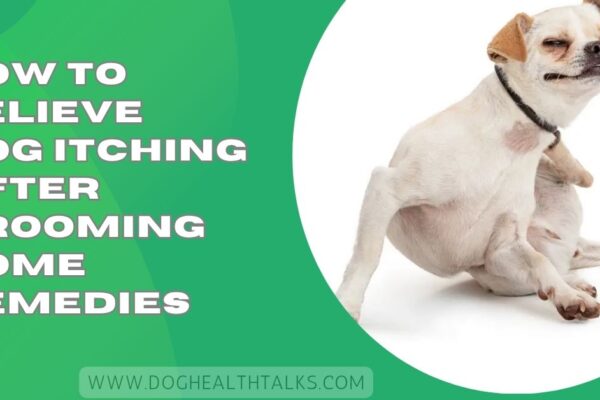
How To Relieve Dog Itching After Grooming Home Remedies

How To Relieve Dog Itching After Grooming Home Remedies

You just brought your pet home from a grooming session, expecting them to look and feel fresh—but instead, they’re scratching nonstop. It’s heart-wrenching to see them uncomfortable.  Soothe your dog’s post-grooming itch naturally with oatmeal baths, aloe vera, apple cider vinegar, coconut oil, and chamomile or green tea soaks. Use mild shampoo, maintain regular grooming,…

Read More
Can Heat Cause Seizures In Dogs

Can Heat Cause Seizures In Dogs – Complete Guide for 2026!

When summer temperatures rise, dog owners often worry about dehydration, heatstroke, and paw burns. But did you know that extreme heat can also cause seizures in dogs?  Yes, heat can cause seizures in dogs. Heatstroke or heat exhaustion may trigger brain swelling and electrolyte imbalances, leading to seizures, especially in epileptic or vulnerable dogs. Immediate…

Read More
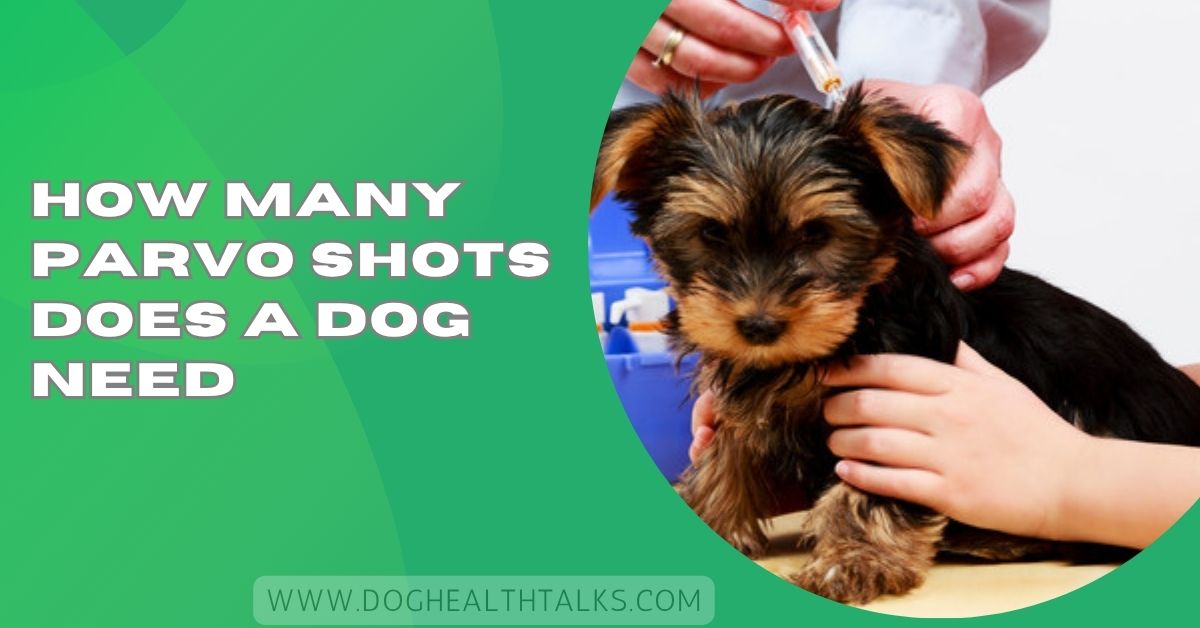
How Many Parvo Shots Does a Dog Need

How Many Parvo Shots Does a Dog Need – 2026 Health Guide!

Parvovirus, or “parvo”, is one of the scariest words a dog owner can hear. Highly contagious, often deadly in puppies, and incredibly persistent in the environment, parvovirus can wipe out entire litters if left unchecked. Most puppies require three to four parvo shots, typically administered in multiple rounds during veterinary visits. Puppies receive one shot…

Read More
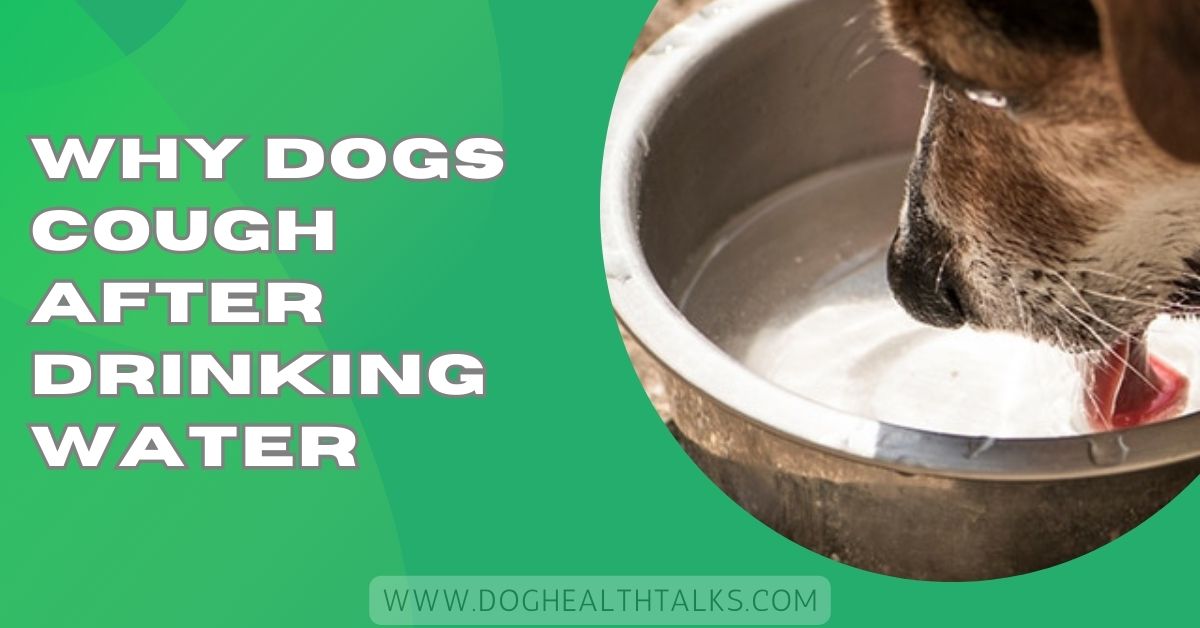
Why Dogs Cough After Drinking Water

Why Dogs Cough After Drinking Water – Vet-Approved Guide!

It can be worrying to see your dog cough right after drinking water. Most of the time, it’s harmless, but sometimes it can point to an underlying issue.  Dogs often cough after drinking water from tracheal irritation, fast gulping, allergies, or infections like kennel cough. Persistent coughing may signal heart problems, airway blockage, or aspiration—so…

Read More
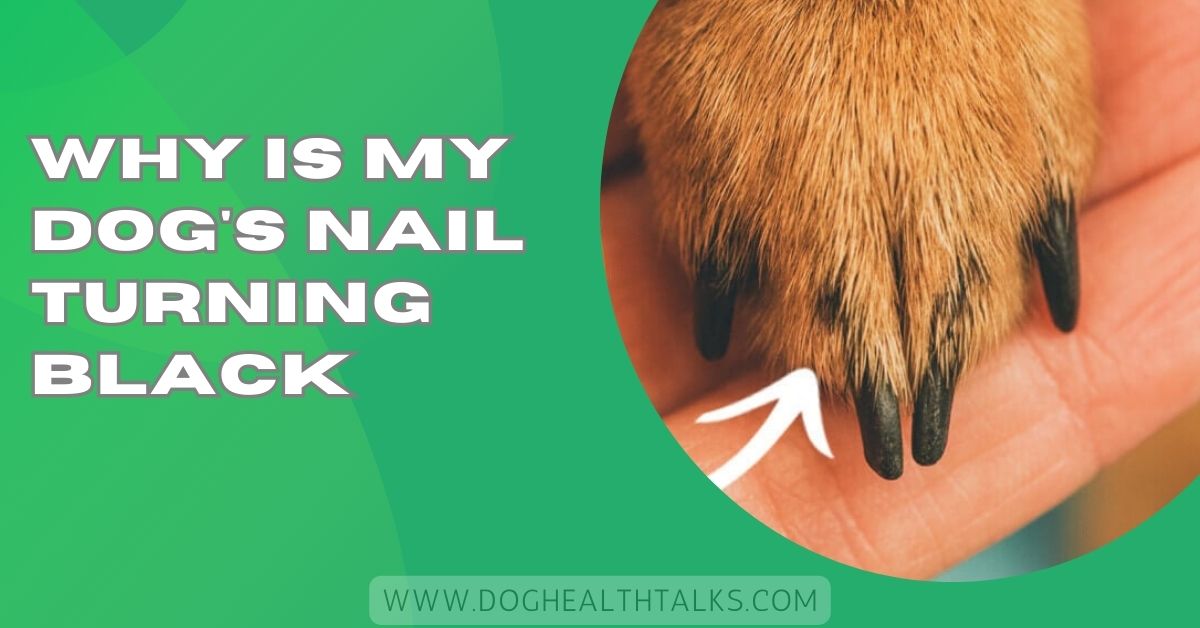
Why Is My Dog's Nail Turning Black

Why Is My Dog’s Nail Turning Black – Causes and Care Tips!

Noticing your dog’s nail changing color can be worrying, especially if it turns black, red, or brown. While nail color can naturally vary between dogs and breeds, sudden changes may point to injury, infection, or an underlying health issue.  Your dog’s nail may turn black from natural pigmentation, aging, or hyperpigmentation. However, sudden darkening can…

Read More
How To Strengthen Dogs Nails

How To Strengthen Dogs Nails – Easy Vet-Approved Tips!

Strong, healthy nails are essential for your dog’s comfort and mobility. When nails are brittle, cracked, or weak, they can cause pain, difficulty walking, and even infections.  To strengthen dogs’ nails, provide omega-3-rich fish oil, vitamin E foods, and biotin supplements. Regular trimming, hydration, and safe oils like olive oil or collagen support healthier, stronger,…

Read More
Why Do My Dogs Nails Grow So Fast

Why Do My Dogs Nails Grow So Fast: Tips for Trimming & Care

Keeping your dog healthy involves paying attention to the small things, like nail care. Many dog owners notice that their dog’s nails seem to grow faster than expected, which can lead to discomfort, injuries, and even health problems if left unmanaged. Fast-growing dog nails are often influenced by breed, age, activity, diet, or genetics. Younger…

Read More