
Can Dogs Eat Cheese – Benefits, Dangers, and Best Choices!
If you’re wondering “Can Dogs Eat Cheese?” it’s important to know whether this popular dairy treat is safe and healthy for your furry friend.
Cheese is one of those foods that instantly grabs a dog’s attention. The smell alone can make tails wag and eyes light up. Many dog owners wonder if it’s safe to share a small bite or if cheese could cause problems.
Yes, dogs can eat cheese in moderation. Most cheeses aren’t toxic, but it’s not very healthy, so offer small amounts as an occasional treat.
In this article, you’ll learn if dogs can eat cheese safely, which types are best, and how to feed it the right way.
Benefits of Cheese for Dogs
Cheese is one of those foods that creates instant excitement for dogs. Its smell, taste, and soft texture make it irresistible. When used correctly, cheese can offer real benefits beyond just being a treat.
A Powerful Training Tool
Professional trainers often use cheese because it is a high-reward food. Dogs pay attention faster and stay motivated longer when the reward feels special.
Cheese works especially well for:
- Puppy training
- Teaching recall
- Leash manners
- Positive behavior reinforcement
A tiny cube can be more effective than multiple dry treats.
Nutritional Support in Small Amounts
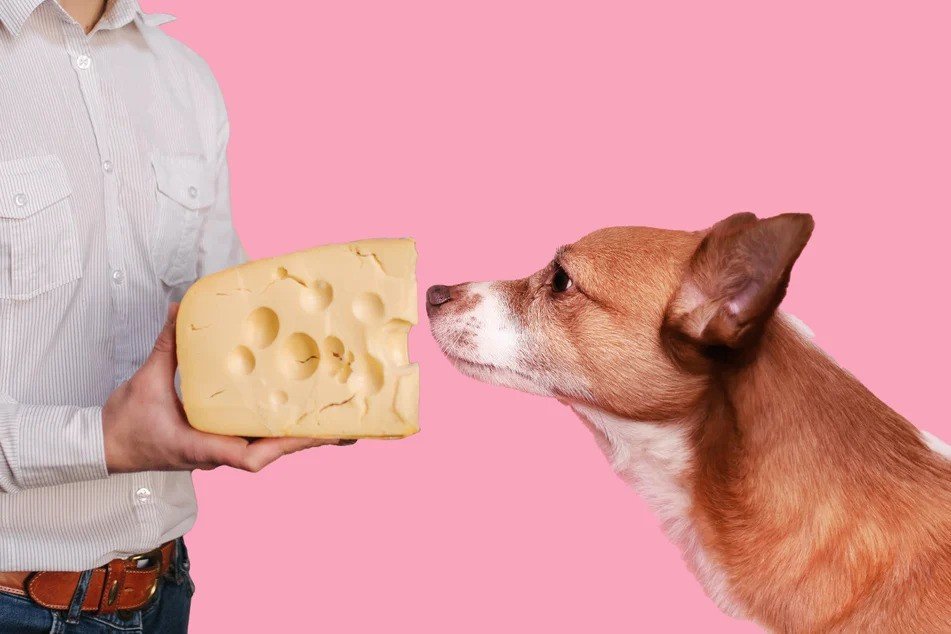
Cheese contains important nutrients that support your dog’s body:
- Protein helps maintain strong muscles
- Calcium supports bones and teeth
- Vitamin A contributes to healthy vision and immune function
- B-complex vitamins help convert food into energy
While cheese should never replace dog food, these nutrients can complement a balanced diet when offered occasionally.
Stress-Free Medicine Time
Many dog owners struggle with giving pills. Cheese can be a game-changer.
Soft cheese easily wraps around tablets, turning medication time into a calm, positive experience. This reduces stress for both dogs and owners and helps ensure important medications are not missed.
Emotional Bonding and Trust
Sharing a safe treat builds trust. When dogs associate you with positive experiences, they feel more secure and confident.
Cheese, when used wisely, becomes more than food—it becomes part of connection, communication, and reward.
Also Read: Can Dogs Eat Cloves? – Toxicity, Symptoms, and What to Do!
Risks of Feeding Cheese to Dogs
Cheese may be beneficial, but it is not risk-free. Responsible dog care means understanding when cheese helps and when it harms.
High Fat Content
Most cheeses are high in fat. Too much fat can lead to:
- Weight gain
- Obesity
- Digestive discomfort
In severe cases, excess fat can contribute to pancreatitis, a painful and serious condition that may require emergency veterinary care.
Dogs with a history of pancreatitis should only eat cheese if approved by a veterinarian.
Lactose Sensitivity
Many adult dogs produce less lactase, the enzyme needed to digest lactose.
Signs of lactose sensitivity include:
- Gas
- Loose stools
- Diarrhea
- Bloating
- Vomiting
Not all dogs are lactose intolerant, but reactions can happen even with small amounts.
Harmful Ingredients in Some Cheeses
Some cheeses contain ingredients that are unsafe for dogs, including:
- Garlic
- Onion
- Chives
- Spices
- Excess salt
These additives can damage red blood cells or cause stomach upset. Always read labels and avoid flavored or seasoned cheeses.
Sodium Concerns
Cheese can be high in sodium. Too much salt may affect:
- Heart health
- Kidney function
Dogs with heart or kidney conditions require extra caution.
Best Types of Cheese for Dogs
Choosing the right cheese makes a big difference in safety and digestion.
Safer Cheese Choices
Veterinary nutrition experts generally recommend:
- Cottage cheese – low fat, lower sodium, and easier to digest
- Mozzarella – mild flavor and relatively low fat
- Soft goat cheese – sometimes better tolerated by sensitive dogs
These options reduce the risk of stomach upset while still delivering flavor and reward.
Cheeses to Avoid or Limit
Avoid or strictly limit:
- Blue cheese
- Cheese with herbs or spices
- Processed cheese slices
- Cream cheese with additives
When feeding dogs, plain is powerful.
Lactose Intolerance in Dogs
Lactose intolerance is common, but it doesn’t look the same in every dog.
Can Lactose-Intolerant Dogs Eat Cheese?
Sometimes, yes—in very small amounts.
Cheese contains less lactose than milk, especially aged or low-lactose varieties. However, dogs with severe intolerance may react even to tiny portions.
Warning Signs to Watch For
After feeding cheese for the first time, monitor your dog for:
- Loose stool
- Excess gas
- Abdominal discomfort
- Reduced appetite
If symptoms appear, stop feeding cheese and consult your veterinarian.
Must Read: Can Cats Eat Hummus? – Side Effects and Safer Alternatives
How to Feed Cheese Safely
Safe feeding is all about portion control, timing, and observation.
Use Small Portions
A good general guideline:
- Small dogs: pea-sized piece
- Medium dogs: marble-sized piece
- Large dogs: grape-sized piece
Cheese should make up less than 10% of your dog’s daily calories.
Treat, Not Staple
Cheese should be:
- An occasional reward
- A training aid
- A medication helper
It should never replace nutritionally complete dog food.
Introduce Slowly
When trying cheese for the first time:
- Start with one tiny bite
- Wait 24 hours
- Watch digestion carefully
Slow introductions build confidence and prevent discomfort.
Talk to Your Vet First
Always consult a veterinarian if your dog:
- Is overweight
- Has pancreatitis history
- Has food allergies
- Has kidney or heart disease
Professional advice ensures long-term safety and trust.
Can Dogs Have Cheese
Yes, dogs can eat cheese in moderation, and many of them actually love it! Cheese can be a great treat and can even be used as a reward during training. However, it’s important to remember that not all dogs digest cheese equally well.
Some dogs are lactose intolerant, meaning they may experience digestive upset, including gas or diarrhea, if they consume dairy products.
Can Dogs Eat Cheese Every Day
Dogs should not eat cheese every day. Cheese is high in fat and calories. Too much cheese daily can cause weight gain, stomach upset, or serious health problems over time.
Can Dogs Eat Cheddar Cheese
Dogs can eat small amounts of plain cheddar cheese. It is not toxic, but it is high in fat and salt, so it should only be an occasional treat.
Can Dogs Eat Mozzarella Cheese
Yes, dogs can eat mozzarella cheese in small amounts. It is lower in fat than many cheeses and usually easier for dogs to digest when given occasionally.
Can Dogs Eat Cheese Balls
Cheese balls are not good for dogs. They are highly processed and contain too much salt, fat, and artificial ingredients that can upset your dog’s stomach.
Can Dogs Eat Cheese Pizza
Dogs should not eat cheese pizza. Pizza contains grease, spices, garlic, onions, and too much salt, which can be harmful and cause stomach problems for dogs.
Can Dogs Eat Cheesecake
Cheesecake is not safe for dogs. It contains sugar, dairy, and fats that can cause diarrhea, vomiting, and weight gain, especially in dogs sensitive to lactose.
Can Dogs Eat Cheese Puffs
Cheese puffs are not safe for dogs. They are processed snacks with artificial flavors, high salt, and unhealthy fats that offer no real nutrition for dogs.
Can Dogs Eat Cheese Sticks
Dogs can eat plain cheese sticks in very small amounts. Avoid flavored or processed cheese sticks, as they may contain too much salt or harmful additives.
Read Out: Is Beef Hide Bad For Dogs – Benefits, Risks, and Tips (2026)
Can Dogs Eat Cheese Balls
Dogs should not eat cheese balls. These snacks are processed, salty, and fatty, which can upset digestion and may cause long-term health issues if eaten often.
Can Dogs Eat Cheese Its
Cheez-Its are not good for dogs. They contain salt, preservatives, and artificial flavors that can cause stomach upset and are unhealthy for dogs.
Can Dogs Eat Cheese Popcorn
Cheese popcorn is unsafe for dogs. It contains butter, salt, and artificial cheese flavoring that can upset your dog’s stomach and lead to weight gain.
Can Dogs Eat Cheese Slices
Dogs can eat plain cheese slices in small amounts. Avoid processed slices with added salt or chemicals, and only offer cheese as an occasional treat.
Can Dogs Eat Cheese Crackers
Cheese crackers are not recommended for dogs. They contain salt, refined carbs, and additives that may cause digestive problems and offer little nutritional value.
Can Dogs Eat Cheese Curds
Dogs can eat plain cheese curds in small amounts. They are high in fat, so moderation is important to avoid stomach upset or weight gain.
Can Dogs Eat Cheese Doodles
Cheese doodles are not safe for dogs. They are processed snacks with artificial ingredients, salt, and fat that can harm your dog’s digestive system.
Can Dogs Eat Cheese Rind
Dogs should not eat cheese rinds. They are hard to digest and can cause choking, stomach upset, or blockages, especially in small dogs.
Can Dogs Eat Cheeseburgers
Cheeseburgers are not safe for dogs. They contain grease, salt, seasonings, and onions that can upset digestion and lead to serious health problems.
Can Dogs Eat Cheese Curls
Cheese curls are not good for dogs. They are processed, salty, and contain artificial flavors that can cause stomach upset and unhealthy weight gain.
Can Dogs Eat Cheese Grits
Cheese grits are not recommended for dogs. They often contain butter, salt, and dairy that may upset digestion and provide little nutritional benefit.
Can Dogs Eat Cheese Bread
Dogs should not eat cheese bread. It often contains yeast, salt, and fats that can cause bloating, stomach pain, and digestive problems in dogs.
Conclusion
So, when asking “Can Dogs Eat Cheese?” the answer is yes in moderation, but only if your dog isn’t lactose intolerant and you choose safe, low-fat options. Cheese can be a joyful, effective, and useful treat when fed responsibly. It offers motivation, nutrition, and bonding benefits—but only when used in moderation.
By choosing safe cheeses, controlling portions, and respecting your dog’s unique needs, you can confidently include cheese as part of a positive, healthy routine.
Happy dogs thrive on smart choices—and a little cheese goes a long way.
FAQs
What Kind of Cheese Can Dogs Eat?
Dogs can eat plain, low-fat cheeses like mozzarella, cottage cheese, or goat cheese in small amounts.
What Foods Are Poisonous to Dogs?
Foods like chocolate, grapes, raisins, onions, garlic, xylitol, and alcohol are poisonous and very dangerous for dogs.
What Dogs Cannot Eat Cheese?
Dogs with lactose intolerance, pancreatitis, obesity, or sensitive stomachs should avoid cheese or eat only with vet approval.
Can a Dog Eat Scrambled Eggs?
Yes, dogs can eat plain scrambled eggs without salt, butter, or seasoning as an occasional healthy protein treat.
What Are The Three Toxic Meats For Dogs?
Raw pork, spoiled meats, and heavily seasoned or cured meats like bacon can be toxic or harmful to dogs.
How Much Cheese is a Dog Allowed?
Dogs should only eat small pieces of cheese, no more than ten percent of their daily food intake.
What Human Foods Are Safe For Dogs?
Safe human foods include plain chicken, rice, eggs, carrots, apples without seeds, and small amounts of plain cheese.
Why Do Dogs Love Cheese So Much?
Dogs love cheese because it smells strong, tastes rich, and is high in fat and protein that dogs naturally enjoy.
What Are The Essential Nutrients Dogs Need For Breakfast?
A balanced breakfast should include protein, healthy fats, carbohydrates, vitamins, and minerals.
Can I Give My Dog Oatmeal For Breakfast?
Yes, plain, cooked oatmeal is a good source of fiber and can be beneficial for dogs in moderation.