Can Cats Eat Hummus? – Side Effects and Safer Alternatives
If you are enjoying hummus and notice your cat sniffing around, it is normal to wonder Can Cats Eat Hummus or if sharing a small taste is safe. Hummus looks simple and healthy to humans, but cats have very different dietary needs.
What seems harmless to us can cause problems for them. This guide explains whether cats can eat hummus, why it is risky, what happens if they eat it, and what safer options you can offer instead—in clear terms.
Short Answer
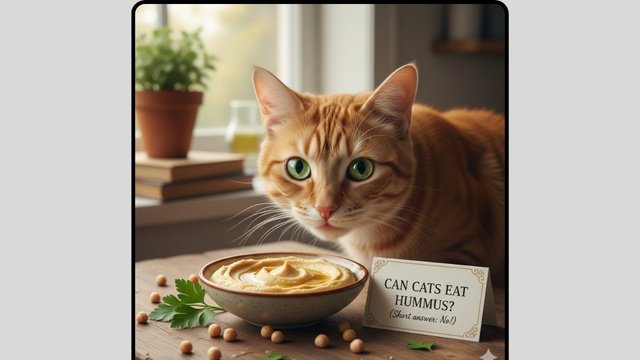
No, cats should not eat hummus. Most hummus contains ingredients like garlic, lemon juice, and spices that can upset a cat’s stomach or be toxic. Hummus also offers no real nutrition for cats, who need meat-based food to stay healthy.
Why People Ask This Question
Cats are curious. They are attracted to smells, textures, and routines. When you dip pita into hummus, your cat may want to investigate.
Many pet parents ask this question because they care and want to avoid harm. The confusion comes from hummus being made from plant foods that seem natural and safe. However, “natural” does not always mean “safe” for cats.
What Is Hummus Made Of?
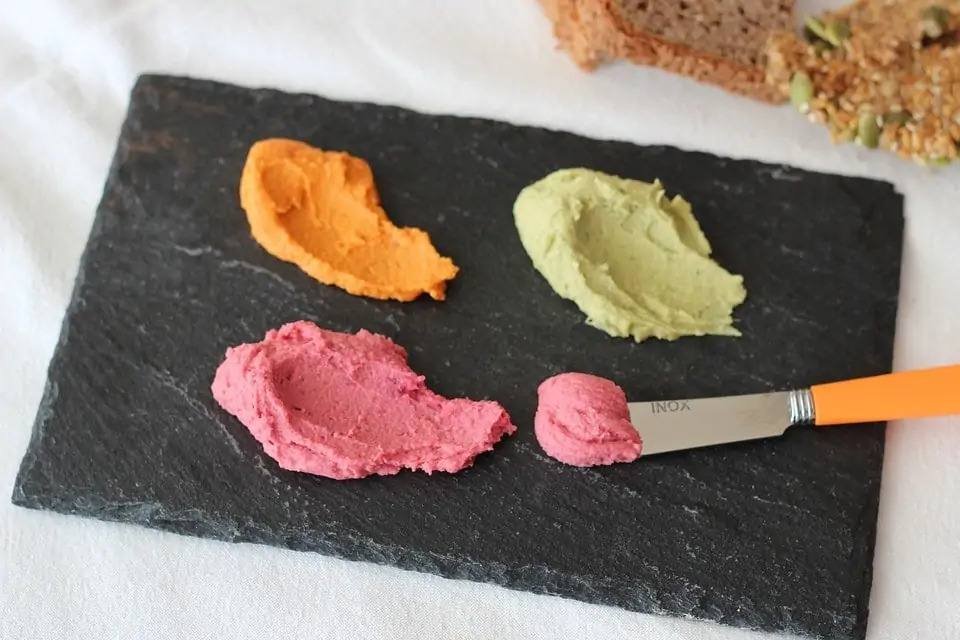
Traditional hummus usually includes:
- Chickpeas (garbanzo beans)
- Tahini (ground sesame seeds)
- Garlic
- Lemon juice
- Olive oil
- Salt and spices
Each of these ingredients affects cats differently. Some are simply unnecessary, while others can be dangerous.
Also Read:
Can Cats Eat Quinoa? – Safety, Benefits, and Feeding Tips!
Why Hummus Is Not Safe for Cats
1) Garlic Is Toxic to Cats
Garlic is one of the biggest concerns. Even small amounts can damage a cat’s red blood cells. This may lead to anemia, which reduces oxygen in the body. Symptoms may not show right away, making garlic especially risky.
Signs to watch for after garlic exposure:
- Weakness or tiredness
- Pale gums
- Fast breathing
- Loss of appetite
Because garlic is common in hummus, any hummus with garlic should be considered unsafe.
2) Cats Are Obligate Carnivores
Cats must eat animal protein to survive. Their bodies need nutrients like taurine, which only comes from meat. Hummus is plant-based and does not meet these needs. Feeding foods like hummus regularly can push out proper nutrition and harm long-term health.
3) Tahini and Oils Are Too Fatty
Tahini and olive oil are high in fat. Cats have sensitive digestive systems, and fatty foods can cause:
- Vomiting
- Diarrhea
- Stomach pain
In some cases, too much fat can increase the risk of pancreatitis, a painful condition.
4) Lemon Juice and Spices Can Irritate the Stomach
Lemon juice is acidic. Spices can be harsh. These ingredients may irritate a cat’s mouth and stomach, leading to drooling, nausea, or vomiting.
5) Salt Is Not Cat-Friendly
Hummus often contains added salt. Cats need very little sodium. Too much salt can cause thirst, dehydration, and in severe cases, salt poisoning.
Can Cats Eat Chickpeas by Themselves?
Plain, cooked chickpeas are not toxic, but they are not ideal for cats. Chickpeas are high in fiber and carbs, which cats do not need and may not digest well.
If a cat eats a single plain chickpea, it is unlikely to cause serious harm. However, chickpeas should not be a treat and should never replace proper cat food.
Important: Chickpeas in hummus are mixed with unsafe ingredients, so hummus is still a no.
What If My Cat Ate Hummus by Accident?
Don’t panic. A tiny lick is unlikely to cause serious harm in most cases. What matters is how much was eaten and what was in it.
Monitor Your Cat If:
- Your cat licked a small amount
- There was no onion or garlic listed (still not safe, but lower risk)
- Your cat seems normal
Call a Vet If You Notice:
- Vomiting or diarrhea
- Lethargy or weakness
- Drooling
- Pale gums
- Loss of appetite
If your cat ate a large amount of hummus or hummus with garlic, it is best to contact a veterinarian right away.
Can Kittens Eat Hummus?
No. Kittens have even more sensitive stomachs than adult cats. Their bodies are still developing, and unsafe foods can affect them faster. Kittens should only eat food made specifically for kittens.
Can Cats Eat Homemade Hummus Without Garlic?
Even garlic-free hummus is not recommended. It still contains tahini, oil, lemon juice, and salt. It also offers no health benefits for cats. Avoid it.
Is Hummus Poisonous or Just Unhealthy?
Hummus can be both, depending on the ingredients and amount:
- Poisonous risk: garlic and onions
- Unhealthy risk: fats, salt, acidity, poor nutrition
Because it is hard to control ingredients and amounts, the safest choice is to keep hummus away from cats completely.
Is Hummus Okay For Cats?
When pondering the question, “Is Hummus Okay For Cats?“, it’s essential to consider the ingredients and their effects on feline health. Traditional hummus is made from chickpeas, tahini, olive oil, lemon juice, and garlic — all common pantry staples.
While chickpeas are generally safe in small amounts, the presence of garlic can be quite harmful to cats, as it can lead to gastrointestinal distress and even more severe health issues.
Common Symptoms After Eating Hummus
Symptoms can appear within hours or be delayed. Watch for:
- Vomiting
- Diarrhea
- Gas or bloating
- Tiredness
- Reduced interest in food
If symptoms last more than 24 hours or get worse, seek veterinary help.
Why Cats Seem Interested in Hummus
Cats are not craving hummus for nutrition. They are usually curious about:
- The smell
- The texture
- Your attention while eating
This does not mean they should have it. Curiosity does not equal safety.
Safer Alternatives to Hummus for Cats
If you want to give your cat a treat while you snack, choose something made for cats or naturally safe options.
Better Choices:
- Small pieces of plain cooked chicken
- Plain cooked fish (no bones, no seasoning)
- Commercial cat treats
- A spoon of wet cat food
These options are safer and support your cat’s health.
How to Keep Cats Away From Unsafe Human Foods
- Don’t leave plates unattended
- Wipe spills quickly
- Use closed containers
- Feed your cat first, then eat
Training and routine help reduce begging and accidents.
Is Hummus Bad for Cats?
Yes, hummus is bad for cats. It often contains garlic, oil, salt, and spices that can upset a cat’s stomach or cause toxicity. Hummus has no health benefits for cats and should be kept away from them.
Can Cats Eat Garlic
No, cats should never eat garlic. Garlic is toxic to cats and can damage their red blood cells. Even a small amount may cause weakness, stomach upset, or anemia. Garlic should always be kept away from cats.
My Cat Licked Hummus
If your cat only licked a small amount of hummus, serious harm is unlikely. However, hummus often contains garlic and spices that can upset a cat’s stomach. Watch for vomiting or tiredness and contact a vet if symptoms appear.
Can Cats Eat Humans
No, cats cannot eat humans and should never try to. Cats are obligate carnivores that need animal-based pet food. Human bodies are not food for cats, and this idea usually comes from jokes or misunderstandings, not real behavior.
Can Cats Eat Chickpeas
Plain cooked chickpeas are not toxic to cats, but they are not healthy or necessary. Chickpeas are hard to digest and may cause gas or stomach upset. Cats do best on meat-based foods made for their nutritional needs.
Can Cats Eat Pita Chips
Cats should not eat pita chips. They are high in salt, oil, and seasonings, which can upset a cat’s stomach. Pita chips offer no nutrition for cats and may cause vomiting, diarrhea, or dehydration if eaten.
Can Cats Eat Bread
Cats can eat a very small piece of plain bread without immediate harm, but bread has no health benefits for them. Too much bread can cause stomach issues, weight gain, and poor nutrition. Bread should not be a regular treat.
Why Does My Cat Like Hummus
Cats may like hummus because of its smell, texture, or because they see you eating it. This curiosity does not mean it is safe. Cats often show interest in human food even when it is unhealthy for them.
Final Thoughts
Hummus is a healthy snack for people, but Can Cats Eat Hummus?The answer is no. Ingredients like garlic, oils, salt, and lemon juice can cause stomach upset or more serious problems. Cats do not benefit from plant-based dips, and even small amounts can be risky.
If your cat shows interest in your food, it is best to redirect them with safe, cat-friendly treats. When it comes to your cat’s health, simple and meat-based is always better.
FAQs
Can cats eat boiled chickpeas?
Cats can eat a tiny amount of plain boiled chickpeas, but they are unnecessary and may cause stomach upset.
What are three toxic foods for cats?
Garlic, onions, and chocolate are toxic to cats and can cause serious illness or life-threatening health problems.
Are chickpeas okay for cats to eat?
Chickpeas are not toxic, but cats do not need them and may have trouble digesting them.
Will a little bit of garlic hurt my cat?
Yes, even a small amount of garlic can harm a cat and damage red blood cells over time.
Which foods should cats never eat?
Cats should never eat garlic, onions, chocolate, grapes, raisins, alcohol, or foods containing artificial sweeteners.
What is the silent killer of cats?
Kidney disease is often called the silent killer of cats because symptoms appear late and progress slowly.
Why can’t cats eat tuna?
Tuna lacks essential nutrients cats need and can cause mercury exposure if fed too often.
Will a little bit of garlic hurt my cat?
Yes, even small amounts of garlic can be toxic to cats and may lead to gastrointestinal upset or more severe health issues.
Are cats allergic to hummus?
Cats may not be allergic to hummus specifically, but they can be sensitive to some of its ingredients like garlic or chickpeas. It’s best to avoid feeding it to them.