

Can Dogs Eat Eggs – Vet-Approved Feeding Tips In 2026!
Eggs are one of the most nutritious foods on our breakfast table, but if you have a dog at home, you might be asking yourself — can dogs eat eggs? It’s a common question among pet owners who want to share a bit of their food without putting their dog’s health at risk.
The answer largely depends on how the eggs are prepared and how much is given. In this article, we’ll break down whether eggs are safe for dogs, what nutritional value they offer, and the best way to include them in your dog’s diet.
Are Eggs Safe for Dogs?
Eggs are generally safe for most dogs when prepared the right way. Cooked eggs are easy to digest and provide useful nutrients. Many vets even recommend eggs as an occasional food for dogs that need extra protein.
However, eggs should not replace regular dog food. They are a treat or topper, not a full meal. Dogs have different nutritional needs than people, and a balanced dog diet should always come first.
Some dogs may have sensitive stomachs or food allergies. Because of this, eggs should always be introduced slowly and in small amounts.
Can Dogs Eat Raw Eggs or Cooked Eggs?
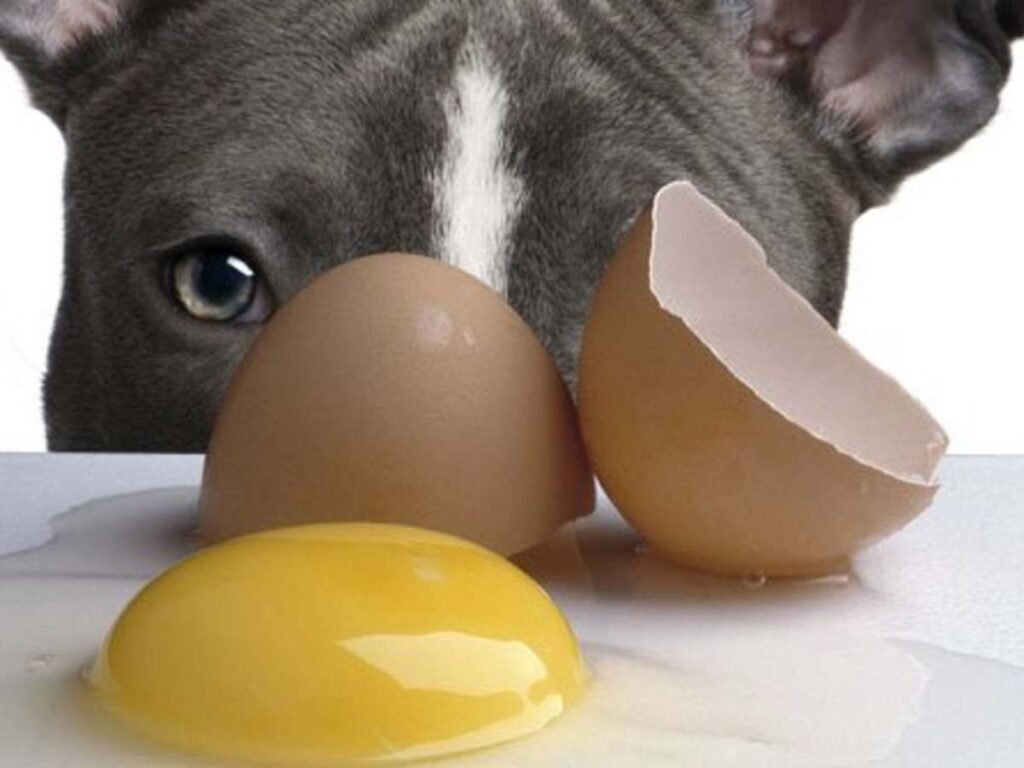
Not all eggs are equal when it comes to dog safety. How the egg is prepared matters a lot.
Raw Eggs for Dogs
Raw eggs are not recommended for dogs. There are two main reasons:
First, raw eggs can carry bacteria like salmonella. While some dogs may handle it better than humans, it can still cause stomach illness, vomiting, or diarrhea. It also creates a risk for people in the home who handle the food or clean up after the dog.
Second, raw egg whites contain a substance that can block the absorption of biotin, a B vitamin that helps with skin and coat health. Over time, this may lead to dull fur or skin problems.
Because of these risks, raw eggs are best avoided.
Also Read: Can Dogs Eat Ritz Crackers – Pros, Cons, and Vet Tips!
Cooked Eggs for Dogs
Cooked eggs are the safest and healthiest option. Cooking kills harmful bacteria and removes the biotin issue.
Safe cooking methods include:
- Boiled eggs
- Scrambled eggs (no oil or butter)
- Poached eggs
Eggs should always be plain. Do not add salt, spices, cheese, milk, butter, oil, or onions. These extras can upset your dog’s stomach or cause long-term health problems.
Nutritional Benefits of Eggs for Dogs
Eggs may be small, but they are packed with nutrients that can support your dog’s health when given correctly.
High-Quality Protein
Eggs are a great source of protein. Protein helps build muscles, repair tissues, and support growth. This is especially helpful for active dogs or dogs recovering from illness.
Healthy Fats
Eggs contain healthy fats that support energy levels and help keep your dog’s skin and coat healthy and shiny.
Vitamins and Minerals
Eggs provide vitamins like B12 and minerals like selenium. These support the immune system and overall body function.
Even with these benefits, eggs should still be treated as a supplement, not a main food source.
How Many Eggs Can a Dog Eat?
Portion size is very important. Too much of any food, even healthy food, can cause weight gain or stomach problems.
Egg Portions by Dog Size
- Small dogs: A few bites or about one-quarter of an egg
- Medium dogs: Half to one egg
- Large dogs: One whole egg
These are general guidelines. Every dog is different, so it is best to start small.
How Often Can Dogs Eat Eggs?
Eggs should be given occasionally, not every day. Treats, including eggs, should make up no more than 10% of your dog’s daily food intake.
For most dogs, one or two eggs per week is plenty.
Must Read: Can Dogs Eat Animal Crackers? – Read This Before You Share!
Can Dogs Eat Eggshells?

Eggshells contain calcium, which is important for bones and teeth. However, feeding eggshells is not as simple as it sounds.
Whole or crushed shells can be sharp and may cause choking or stomach irritation. If eggshells are used, they must be:
- Washed thoroughly
- Baked to kill bacteria
- Ground into a very fine powder
Even then, eggshell powder should only be added if your vet recommends it. Too much calcium can be harmful, especially for growing puppies.
Are Eggs Bad for Dogs? Possible Risks
While eggs are safe for many dogs, they are not perfect for everyone.

Allergic Reactions
Some dogs are allergic to eggs. Signs of an allergy may include:
- Itchy skin
- Ear infections
- Redness or rashes
- Vomiting or diarrhea
If you notice these symptoms after feeding eggs, stop giving them and talk to your vet.
Digestive Upset
Eggs are rich, and some dogs may get an upset stomach, especially if they eat too much at once.
High Fat Concerns
Eggs contain fat. Dogs with pancreatitis, obesity, or certain medical conditions should only eat eggs if a vet says it is okay.
Symptoms to Watch After Dogs Eat Eggs
After giving your dog eggs for the first time, keep an eye on them for the next 24 hours.
Watch for:
- Vomiting
- Loose stool or diarrhea
- Gas or bloating
- Low energy
- Excessive itching
Mild stomach upset may pass on its own, but if symptoms last more than a day or seem severe, contact your vet.
What to Do If Your Dog Eats Raw or Spoiled Eggs
If your dog eats a raw egg by accident, do not panic. In many cases, dogs will be fine. Monitor your dog closely for signs of stomach upset.
Contact your vet if your dog shows:
- Repeated vomiting
- Diarrhea that does not stop
- Fever
- Lethargy
If a dog eats spoiled eggs or eggs left out for a long time, the risk of illness is higher, and a vet should be called for advice.
You Should Know: Can Dogs Eat Mango? – Vet-Approved Facts You Should Know!
Healthier Ways to Serve Eggs to Dogs
Eggs can be a nice addition to your dog’s meals when used wisely.
Mix with Regular Dog Food
A small amount of cooked egg mixed into your dog’s normal food can add flavor and nutrition without overfeeding.
Use as a Training Treat
Tiny pieces of cooked egg can be used as a high-value treat during training, especially for dogs that love food.
Keep It Simple
Plain eggs are always best. Fancy recipes or seasonings are for humans, not dogs.
Can Dogs Eat Eggs Raw
Dogs should not eat raw eggs. Raw eggs may contain harmful bacteria and can upset your dog’s stomach. They also reduce vitamin absorption over time. Cooked eggs are always a safer and better choice.
Can Dogs Eat Egg Shells
Dogs can eat eggshells only if they are cleaned, baked, and finely ground into powder. Whole or crushed shells can be sharp and dangerous. Always ask a vet before adding eggshells to your dog’s food.
How Many Eggs Can A Dog Eat In A Week
Most dogs can safely eat one to two eggs per week. Small dogs need less, while large dogs may handle one egg occasionally. Eggs should be treats, not daily food, and should never replace balanced dog meals.
Can Dogs Eat Eggs Cooked
Yes, dogs can eat cooked eggs. Boiled, scrambled, or poached eggs are safe when served plain. Cooking removes bacteria and makes eggs easier to digest. Do not add salt, oil, butter, or seasoning when feeding eggs.
Can Dogs Eat Eggs Every Day
Dogs should not eat eggs every day. Eggs are healthy but rich, and daily feeding can cause weight gain or stomach issues. It is best to give eggs only a few times a week as an occasional treat.
Are Raw Eggs Good for Dogs? What You Need to Know
Are raw eggs good for dogs? The answer lies in understanding both the benefits and risks associated with feeding them to your furry friend. Raw eggs are often touted as a nutritional powerhouse, rich in protein, essential fatty acids, vitamins, and minerals.
These nutrients can promote a healthy coat, support muscle development, and boost the immune system. However, balance is key, as moderation is vital to prevent potential health issues.
Can Dogs Eat Raw Eggs Safely or Should They Be Avoided?
The debate over whether dogs can safely consume raw eggs often sparks passionate discussions among pet owners. Advocates claim that raw eggs are a nutritious addition to a dog’s diet, rich in protein, fatty acids, and vitamins.
These nutrients can promote healthy skin and shiny coats, providing a boost to your furry friend’s overall well-being. However, while the nutritional benefits are appealing, there are significant risks to consider.
Can Dogs Eat Scrambled Eggs
Yes, dogs can eat scrambled eggs if they are cooked plain. Scramble eggs without oil, butter, milk, or spices. Plain scrambled eggs are easy to chew, gentle on digestion, and safe when fed in small amounts.
Can Dogs Eat Fried Eggs
Fried eggs are not good for dogs. They are usually cooked in oil or butter, which can upset a dog’s stomach and lead to weight gain. Plain cooked eggs without added fat are a much safer option.
Can Dogs Eat Eggs Scrambled
Yes, dogs can eat scrambled eggs as long as they are plain. Avoid oil, butter, salt, and seasoning. Plain scrambled eggs are safe, tasty, and easy to digest when given occasionally and in small portions.
Conclusion
To wrap things up, can dogs eat eggs? The answer is yes — eggs are a safe and nutritious treat for most dogs when cooked thoroughly and fed in moderate amounts. They provide essential protein, biotin, and fatty acids that support skin, coat, and muscle health.
That said, it’s important to avoid raw eggs due to the risk of salmonella and biotin deficiency, and to keep portions small to prevent weight gain or digestive upset. When in doubt, always check with your veterinarian to make sure eggs fit well into your dog’s specific dietary needs.
FAQ’s
Are Cooked Eggs Ok For Dogs?
Yes, cooked eggs are safe for dogs when plain, served occasionally, and not mixed with salt, oil, or seasoning added.
How Much Egg Can I Give My Dog?
Small dogs get few bites, medium dogs half egg, large dogs one egg weekly, depending size and health overall needs.
What Is The Number One Food You Should Never Feed Your Dog?
Chocolate is the number one food dogs should never eat because it contains theobromine, which is toxic to dogs seriously.
Can I Make Scrambled Eggs For My Dog?
Yes, you can make scrambled eggs for your dog if cooked plain without oil, butter, milk, or seasoning added ever.
What Three Meats Should Dogs Avoid Every Day?
Dogs should avoid fatty pork, processed meats, and seasoned meats daily because they strain digestion and health over time badly.
Why Can’t Dogs Have Eggs Every Day?
Dogs cannot have eggs every day because excess fat and calories may cause weight gain stomach issues over time long-term.
Are Scrambled Eggs Good For a Dog’s Tummy?
Plain scrambled eggs can be gentle on a dog’s tummy and may help mild stomach upset when cooked plain properly.
What Human Foods Are Safe For Dogs?
Some safe human foods for dogs include plain chicken, rice, carrots, apples, eggs, and peanut butter without sugar, salt, xylitol.
Is It OK to Mix Eggs With Dog Food?
Yes, mixing small amounts of cooked eggs with dog food is safe and adds extra protein when served plain occasionally.
Do Eggs Help Dogs With Itchy Skin?
Eggs may help dogs with itchy skin because healthy fats support skin and coat health when fed cooked, plain, moderately.
Can Dogs Eat Cooked Eggs?
Yes, dogs can eat cooked eggs in moderation. Plain boiled or scrambled eggs provide protein and essential nutrients.
How Do Dogs Say “I Love You”?
Dogs show affection through tail wagging, cuddling, following you around, and maintaining eye contact. These behaviors help strengthen their bond with you.
What Is the Number One Food You Should Never Feed Your Dog?
Chocolate is one of the most dangerous foods for dogs because it contains compounds that can be toxic. Even small amounts can cause serious health problems.