
Can Cats Eat Graham Crackers? – Risks, Limits and Tips 2026
Can cats eat graham crackers is a common question for pet owners, but understanding what’s safe for your cat is more important than sharing human snacks.
When your cat locks eyes with you while you snack, it’s easy to wonder if sharing a bite is harmless. Graham crackers look simple and safe—but cats are not small humans.
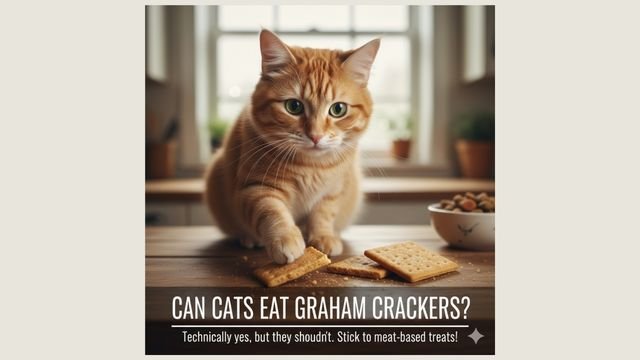
Yes, cats can eat a small piece of a plain graham cracker, as they are non-toxic. However, crackers are too sweet and unhealthy, may cause digestive issues, and chocolate graham crackers should never be given.
This article is written with veterinary consensus in mind, focusing on trust, clarity, and real-life guidance for cat parents.
What Are Graham Crackers?
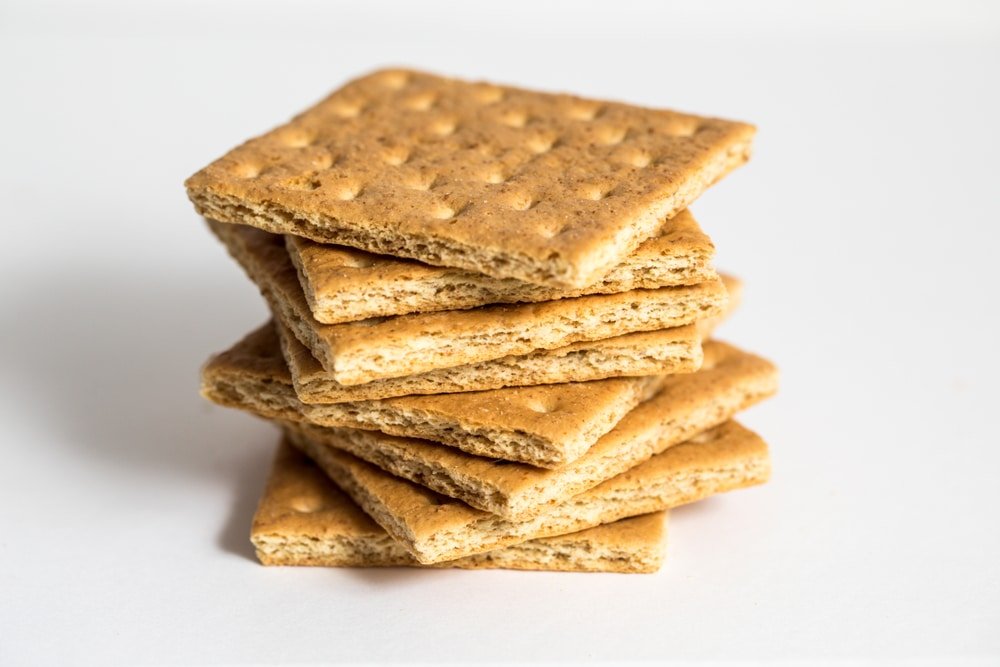
Graham crackers are a classic snack first created in the United States in the late 1800s. They were inspired by dietary ideas that favored whole grains and simple ingredients. Over time, they became sweeter, crunchier, and more processed—turning into the familiar crackers used in desserts like s’mores and pie crusts.
For humans, graham crackers are comforting and nostalgic. For cats, they’re simply a human snack with no biological purpose. Cats don’t seek crackers for nutrition; curiosity and smell usually drive their interest.
What Are Graham Crackers Made Of?
Most store-bought graham crackers contain a mix of plant-based ingredients, including:
- Enriched wheat flour and whole-grain wheat flour
- Sugar or molasses
- Vegetable oils (canola or soybean)
- Honey
- Baking soda
- Salt
- Cinnamon or cinnamon flavoring
- Preservatives and stabilizers
None of these ingredients are essential for cats. While most are not toxic in tiny amounts, they don’t align with how a cat’s body works.
Cats are obligate carnivores, meaning their bodies are designed to thrive on animal protein—not grains, sugars, or baked snacks.
Does Honey Offer Nutritional Benefits to Cats?
Honey is natural, but that doesn’t make it healthy for cats.
Cats cannot properly process sugars, and honey is high in glucose and fructose. While a tiny lick of honey—or honey in a graham cracker—won’t usually cause harm, it also provides zero nutritional value for cats.
Over time, sugary foods can contribute to:
- Weight gain
- Blood sugar imbalance
- Increased risk of diabetes
In short: honey is unnecessary and best avoided in a cat’s diet.
How Often Can I Give My Cat a Graham Cracker?
If you choose to allow it at all, keep it rare and tiny.
A safe guideline:
- No more than a small bite (or half a cracker) once in a while
- Never daily
- Never as a “treat routine”
- Never chocolate graham crackers
Chocolate contains theobromine, which is toxic to cats and should always be avoided.
If your cat accidentally eats a plain graham cracker, there’s usually no need to panic—just observe for a few hours.
What Is an Ideal Diet for a Cat?
An ideal cat diet is simple, protein-rich, and species-appropriate.
Healthy feline nutrition includes:
- High-quality animal protein
- Moderate fat
- Very low carbohydrates
- Essential amino acids like taurine
Commercial cat foods that meet veterinary standards are carefully balanced to provide these nutrients. Human snacks—even “plain” ones—cannot replace this balance.
If you’re unsure about your cat’s diet, a veterinarian or trusted veterinary organization like ASPCA consistently recommends feeding foods formulated specifically for cats.
Problems With Graham Crackers
Even though graham crackers are non-toxic, several ingredients can cause issues when eaten regularly or in larger amounts.
Flour
Graham crackers are mostly wheat flour. Cats can digest small amounts of carbohydrates, but their digestive systems are not built for grains.
Too much flour may cause:
- Stomach upset
- Soft stools or diarrhea
- No nutritional benefit
Sugar and Fats
Cats can’t taste sweetness, so sugar offers no reward—only risk.
High sugar and fat intake can lead to:
- Weight gain
- Obesity
- Increased risk of diabetes
- Joint stress over time
Honey
While natural, honey is still sugar. Regular exposure can quietly harm a cat’s long-term health.
Cinnamon
Small amounts of cinnamon are generally safe, but larger amounts can cause:
- Mouth irritation
- Digestive upset
Thankfully, it’s rare for cats to eat enough cinnamon from crackers to cause toxicity.
Salt
Graham crackers may contain added salt. While dangerous salt levels are unlikely from one cracker, excess salt can stress a cat’s kidneys if consumed often.
Potential Allergies
Some cats are sensitive to wheat or other ingredients. Signs of food sensitivity may include:
- Itching or scratching
- Over-grooming
- Digestive upset
If symptoms persist, veterinary advice is recommended.
Benefits of Feeding Graham Crackers to Cats
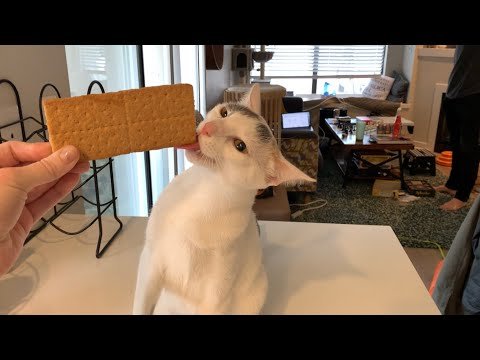
There is no real health benefit to feeding graham crackers to cats.
The only “positive” is that a tiny accidental nibble is unlikely to cause harm in a healthy adult cat. That’s it.
They contain:
- No meat
- No essential nutrients
- No value for feline health
Alternatives to Graham Crackers for Cats
If your cat begs for snacks, the good news is there are far better, safer options that build health instead of risk.
Cat Treats
Commercial cat treats are designed for feline bodies. They’re balanced, flavorful, and safe when fed in moderation.
Cooked Meat
Plain, cooked chicken, turkey, or fish (no salt, no seasoning) is one of the best human-food treats you can offer.
Catnip
Catnip provides joy without calories. It’s safe, fun, and mentally stimulating for many cats.
Dental Chews
Vet-approved dental chews support oral health while satisfying your cat’s desire to chew.
Health Guidelines for Cats
To keep your cat thriving:
- Schedule regular veterinary checkups
- Feed high-quality, age-appropriate cat food
- Provide fresh water daily
- Monitor weight and body condition
- Support dental health
- Watch for changes in behavior or appetite
- Reduce stress and maintain routine
A healthy cat diet is about consistency, balance, and intention.
Are Graham Crackers Safe to Eat?
Yes, plain graham crackers are generally safe in very small amounts. They are not toxic, but they contain sugar and flour, which offer no health benefits for cats and may upset their stomach if eaten often.
Can Cats Eat Teddy Grahams?
Cats should not eat Teddy Grahams. They contain extra sugar, flavors, and sometimes chocolate, which are unhealthy for cats. A tiny accidental bite is unlikely to harm, but they should never be given as treats.
Can Cats Eat Graham Crackers Raw?
Yes, cats can eat a small piece of plain graham cracker, whether raw or baked, without serious harm. However, it is not recommended because it provides no nutrition and may cause digestive discomfort.
Can Cats Eat Chocolate?
No, cats should never eat chocolate. Chocolate contains theobromine, which is toxic to cats and can cause vomiting, rapid heart rate, tremors, seizures, or even death. Keep all chocolate products away from cats.
Can Cats Eat Bread?
Cats can eat a very small piece of plain bread occasionally, but it has no nutritional value for them. Bread is mostly carbohydrates, and cats need protein from meat to stay healthy and strong.
Can Cats Eat Peanut Butter?
Peanut butter is not toxic, but it is not good for cats. It is high in fat and calories, hard to digest, and offers no benefits. Some brands also contain harmful sweeteners.
Can Cats Eat Strawberries?
Yes, cats can eat small pieces of strawberries safely. Strawberries are non-toxic, but cats do not need fruit in their diet. Too much can cause stomach upset due to natural sugars and fiber.
What Can Cats Eat?
Cats should eat high-quality cat food made with animal protein. Safe treats include cooked chicken, turkey, fish, vet-approved cat treats, and catnip. Always avoid sugary, salty, or seasoned human foods.
Conclusion
While a tiny crumb may not be toxic, the answer to Can Cats Eat Graham Crackers is no—because they offer no nutrition and can harm your cat’s health over time Graham cracker is non-toxic and unlikely to cause harm, it offers no nutritional benefit and can upset your cat’s stomach if given often. Ingredients like sugar, flour, and honey simply don’t match a cat’s biological needs.
Cats thrive on protein-rich, meat-based diets, not human snacks. If your cat accidentally eats a small bite, there’s usually no reason to worry—just observe them for any digestive changes. However, chocolate graham crackers should always be avoided, as chocolate is toxic to cats.
The safest and most loving choice is to stick with high-quality cat food, vet-approved treats, or plain cooked meat. These options support your cat’s long-term health and happiness, helping you show care in the best way possible.
FAQs
What Crackers Can Cats Eat?
Cats should avoid crackers, but a tiny piece of plain unsalted graham cracker is safe for healthy adult cats occasionally.
What Is the One Meat to Never Feed a Cat?
Raw pork should never be fed to cats because it can carry parasites and cause serious illness in domestic cats.
What Kind of Food Is Irresistible to Cats?
Most cats find smelly, protein-rich foods like cooked chicken, tuna aroma, or meat-based treats irresistible due to strong scents alone.
Which Foods Should Cats Never Eat?
Cats should never eat chocolate, onions, garlic, grapes, raisins, alcohol, or foods containing xylitol as these are highly toxic substances.
Can I Let My Cat Lick a Graham Cracker?
Yes, letting your cat lick a plain graham cracker is usually harmless, but it should not become a habit ever.
What Annoys Cats the Most?
Cats are most annoyed by loud noises, sudden changes, forced handling, dirty litter boxes, and ignoring their boundaries repeatedly daily.
What Human Foods Can Cats Snack On?
Safe human snacks for cats include small amounts of cooked chicken, turkey, fish, or plain eggs without salt, seasoning, oils.
What Is a Red Flag Behavior in Cats?
Red flag behaviors include sudden hiding, aggression, not eating, litter box changes, excessive vocalizing, or lethargy that persist several days.
Why Can’t Cats Eat Chicken?
Cats can eat cooked chicken, but raw chicken may contain bacteria that cause digestive upset or illness in some cats.
Why Can’t Cats Eat Tuna?
Too much tuna can cause nutritional imbalance, mercury exposure, and picky eating habits in cats over time if fed often.