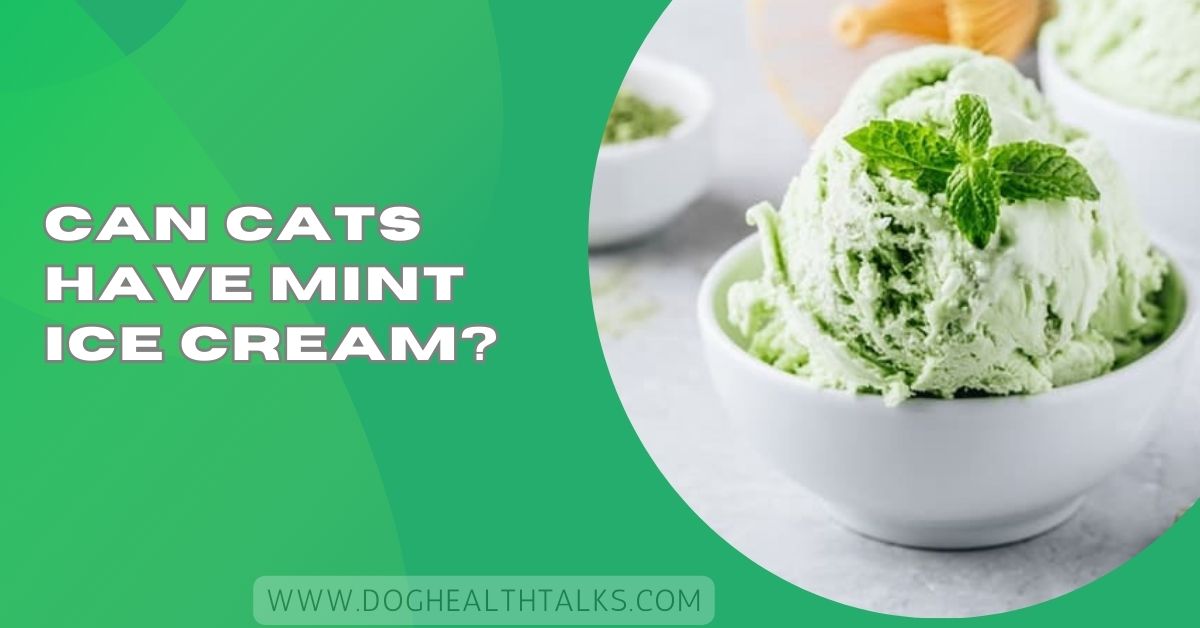
Can Cats Have Mint Ice Cream? – Signs, Risks and What to Do
If you’re wondering “Can Cats Have Mint Ice Cream?” it’s important to understand how this sweet treat can affect your cat’s health before offering even a small taste. Mint ice cream may look harmless and refreshing, especially when your cat shows curiosity during dessert time. Many pet owners wonder if sharing a small lick is safe or if it could cause harm.
No, cats should not have mint ice cream. Mint can be toxic in larger amounts, and dairy upsets digestion. A small lick is unlikely to harm your cat, but mint ice cream is not a safe or healthy treat.
Understanding what is safe and what is risky helps you protect your cat while still showing love in better ways.
Cats & Dairy
The milk myth persists, but science is clear: adult cats are lactose intolerant. Dairy leads to digestive trouble, not comfort. While nursing kittens digest milk from their mother, cow’s milk—and ice cream—are a different story entirely.
Is Ice Cream Poisonous to Cats?
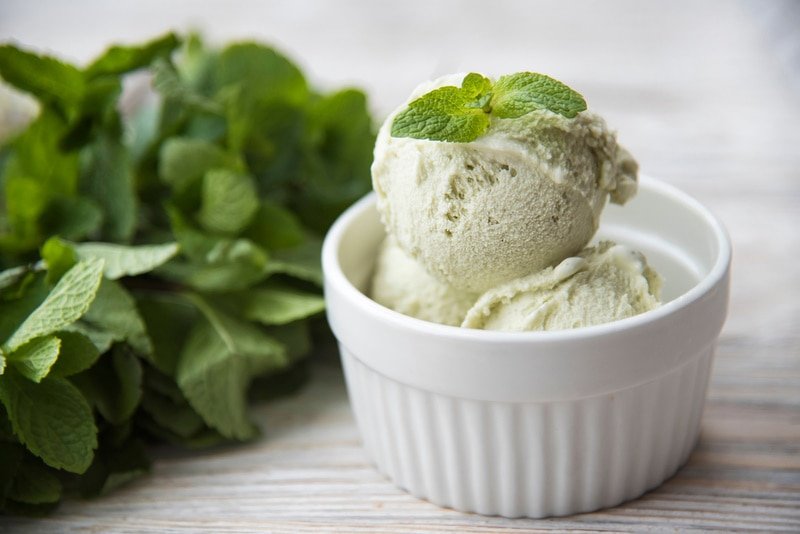
Ice cream isn’t technically “poison” for cats, but that doesn’t make it safe. Most cats are lactose intolerant, so dairy often triggers diarrhea, gas, and stomach pain.
Mint ice cream adds more risk: sugar, fat, and sometimes chocolate or sweeteners that can seriously harm cats. Poisoning usually happens with toxic add-ins (like chocolate or xylitol), not plain ice cream itself—but even plain scoops are a bad idea.
Do Cats Like Ice Cream?
Cats may seem to like ice cream, but it’s a trick of the senses. Cats can’t taste sweet. What attracts them is the smell of fat and dairy and the cold, creamy texture. Interest doesn’t equal safety. If your cat begs for a lick, it’s curiosity—not a nutritional need.
Also Read: Can Dogs Eat Veggie Straws? – Tips and Safer Snack Options!
Why Ice Cream Isn’t a Healthy Snack for Cats
Ice cream is built for humans, not obligate carnivores. Cats thrive on animal protein and moisture, not sugar and fat. Ice cream delivers:
- Empty calories (no useful nutrients for cats)
- High fat (pancreatitis risk)
- High sugar (weight gain, diabetes)
- Digestive upset (from lactose)
Bottom line: ice cream offers zero benefits and plenty of downsides.
Why Else Is Mint Ice Cream Bad for Cats?
Beyond dairy and sugar, mint ice cream may include:
- Chocolate chips (toxic)
- Artificial flavors and colors (irritating)
- High fat (pancreatitis risk)
Mint itself isn’t usually toxic in tiny ice-cream amounts, but stacked risks make it a no-go.
What About Dairy or Lactose-Free Ice Cream?
Lactose-free helps digestion a little, but it doesn’t fix sugar, fat, or additives. Cats don’t benefit from any of it. If it looks safer, that’s an illusion—skip it.
Dangers of Dairy for Cats
Most adult cats lack enough lactase, the enzyme needed to digest lactose. After weaning, their ability to process milk drops sharply. When dairy hits an adult cat’s gut, common reactions include:
- Loose stools or diarrhea
- Bloating and gas
- Abdominal discomfort
- Dehydration (from fluid loss)
Kittens tolerate milk better only while nursing. Ice cream—especially flavored—still isn’t appropriate for kittens.
The Sugar Problem
Sugar is a double threat. First, cats don’t need it and can’t taste it. Second, it quietly fuels:
- Obesity
- Diabetes
- Dental issues
Worse, some “diet” or “sugar-free” ice creams contain xylitol, a sweetener that can be dangerous to cats even in tiny amounts. Always assume sweeteners are unsafe.
Dangerous Ice Cream Flavors for Cats
Some flavors move from “bad” to flat-out dangerous:
- Chocolate or mint chocolate chip – chocolate is toxic
- Coffee or mocha – caffeine is toxic
- Nut flavors – choking risk; some nuts are harmful
- Alcohol-based flavors (rum raisin) – toxic
- Mint or menthol – problematic in larger amounts
Mint extract in ice cream is usually low, but combined with dairy and sugar, it’s still a poor choice.
Safer (But Still Not Ideal) Flavors
If a curious cat sneaks a single lick, these are less risky—not recommended, just less dangerous:
- Plain vanilla (no chocolate, no sweeteners)
- Lactose-free vanilla (still fatty and sugary)
- Fruit sorbet (no dairy, but sugar and additives remain)
Even these should not be offered intentionally.
Signs Your Cat Ate Too Much Ice Cream
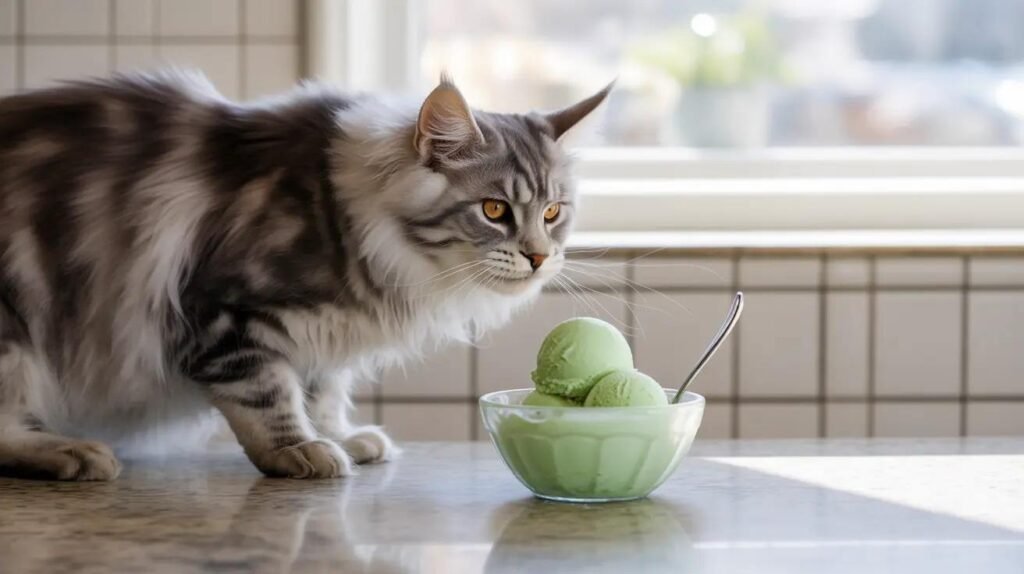
Watch closely for:
- Vomiting
- Diarrhea
- Lethargy
- Gas or bloating
- Refusal to eat
If symptoms last over an hour, or if chocolate, caffeine, or xylitol may be involved, call your vet immediately.
Must Read: Can Dogs Eat Ritz Crackers – Pros, Cons, and Vet Tips!
Why Ice Cream Isn’t the Only Summer Worry
Heat itself can stress cats. Focus on comfort, not frozen desserts.
Stay Hydrated
Fresh water is essential—multiple bowls in quiet spots help. Many cats drink more from flowing water.
Keep the Environment Cool
Offer shade, tiled floors, fans, and calm spaces. Cats cool down best with airflow and hydration, not sugar.
Healthier Frozen Treat Alternatives
Want a safe, exciting cool-down? Try these cat-approved options:
- Frozen tuna cubes (tuna + water, frozen)
- Chicken broth pops (low-sodium, no onion/garlic)
- Catnip ice chips (water + a pinch of catnip)
- Frozen wet food (small portions)
These satisfy curiosity without risking health.
What Can Cats Eat?
Build treats around what cats truly need:
- Cooked chicken, turkey, fish (plain)
- Eggs (cooked, occasional)
- Plain cooked pumpkin (digestive support)
- Vet-approved cat food (balanced nutrition)
- Fresh water (always available)
Protein first. Always.
Making Homemade Ice Cream For Cats
If you want something creamy without the danger, make a cat-safe version:
- ½ cup unsweetened lactose-free yogurt
- ¼ cup cooked lean chicken or salmon
Blend smooth, freeze in small molds, and serve sparingly. No sweeteners. No flavorings.
How to Introduce New Treats Safely
Go slow. Tiny portions first. Watch for reactions over 24 hours. Never replace meals with treats, and avoid mixing many new foods at once. When in doubt, ask your vet—especially for cats with sensitive stomachs or medical conditions.
Vet Advice on Ice Cream & Cats
Veterinarians agree: desserts don’t belong in a cat’s diet. Even plain ice cream can upset digestion and add useless calories.
Over time, “just a lick” habits contribute to weight gain and metabolic disease. Choose treats designed for cats—your pet’s health is worth it.
Using Smart Feeders to Manage Your Cat’s Treat Intake
Portion control matters. Automatic feeders help maintain consistent schedules and prevent accidental over-treating. They’re especially helpful for busy households or multi-cat homes where treats can pile up unnoticed.
Can Dogs Have Mint Ice Cream
Dogs should not have mint ice cream. It contains dairy, sugar, and mint flavoring that can upset a dog’s stomach. A tiny lick is usually not dangerous, but regular or large amounts may cause vomiting, diarrhea, or weight gain.
Can Cats Have Mint Chocolate Chip Ice Cream
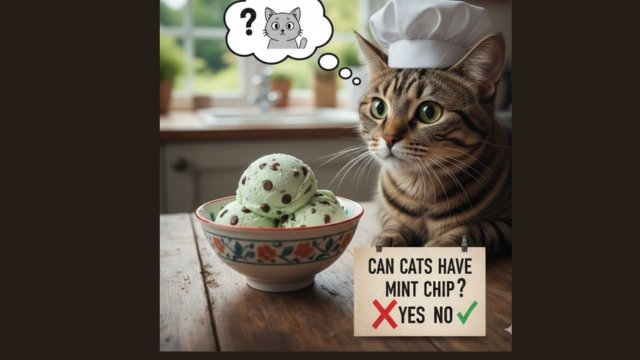
Mint chocolate chip ice cream is not safe for cats. The primary concern is chocolate, which contains substances called theobromine and caffeine. These compounds are toxic to felines, potentially leading to serious health issues such as heart problems or seizures.
Additionally, many commercial ice creams include artificial sweeteners like xylitol. This sweetener is also harmful to cats and can cause rapid insulin release, leading to hypoglycemia.
Can Cats Have Vanilla Ice Cream
Cats should not have vanilla ice cream. Most adult cats are lactose intolerant, so dairy can cause diarrhea and stomach pain.
A small lick is unlikely to harm them, but vanilla ice cream offers no health benefits and should be avoided.
Can Cats Smell Mint
Yes, cats can smell mint very easily. Mint has a strong scent that cats often notice quickly. Some cats are curious about it, while others avoid it. Smelling mint is usually safe, but eating mint products is not recommended.
Can Cats Eat Chocolate
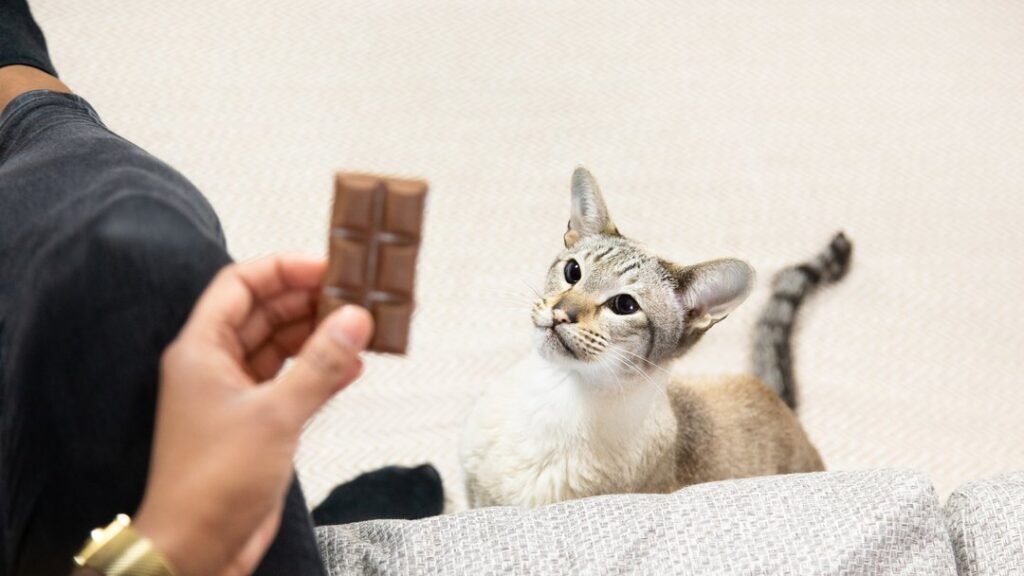
No, cats should never eat chocolate. Chocolate contains theobromine and caffeine, which are toxic to cats. Even a small amount can cause vomiting, rapid heartbeat, tremors, or serious health problems. Chocolate is always unsafe for cats.
Can Cats Have Basil
Yes, cats can have basil in very small amounts. Fresh basil is not toxic to cats and may be safe if they nibble it. However, it should not be a regular treat, and dried or seasoned basil should be avoided.
You Should Know: Does My Dog Know I’m Sick – 10 Ways They Sense Illness!
Can Ice Cream Kill Cats
Ice cream itself usually will not kill a cat, but it can still be dangerous. Dairy, sugar, and toxic ingredients like chocolate or xylitol can make cats very sick. Eating ice cream may lead to serious health problems if consumed often or in large amounts.
Conclusion
So, when asking “Can Cats Have Mint Ice Cream?” the safest answer is no, as it may cause digestive issues and isn’t suitable for your cat’s dietary needs.
Mint ice cream may seem like a harmless treat, but it is not a safe choice for cats. Dairy upsets digestion, sugar adds empty calories, and mint can cause stomach discomfort in larger amounts. While a small lick is unlikely to cause serious harm, mint ice cream offers no health benefits and carries unnecessary risks.
The best way to show love is by choosing cat-safe treats, keeping your cat hydrated, and sticking to a balanced, vet-approved diet. Protecting your cat’s health today helps ensure a happier, longer life tomorrow.
FAQs
Can I Give My Cat Mint Ice Cream?
No, you should not give your cat mint ice cream because it contains dairy, sugar, and mint that upset digestion.
What Ice Cream Flavors Can Cats Eat?
Cats should not eat any ice cream flavors because they contain dairy, sugar, and ingredients unsafe for cats.
Is Mint Flavoring Toxic to Cats?
Mint flavoring is not highly toxic in small amounts, but it can cause stomach upset and vomiting.
Can Cats Have a Little Mint?
Cats can tolerate tiny amounts of fresh mint, but eating mint regularly is not safe or recommended.
Is a Little Bit of Ice Cream ok For Cats?
A tiny lick may not harm your cat, but ice cream is unhealthy and should not be offered.
What Flavor is Irresistible to Cats?
Cats are attracted to meaty smells like chicken, fish, or tuna, not sweet flavors like ice cream.
Can My Cat Try Mint Ice Cream?
No, letting your cat try mint ice cream is not safe and may cause stomach problems.
What Are the Symptoms of Mint Poisoning in Cats?
Common symptoms include vomiting, diarrhea, drooling, bloating, and tired behavior after eating too much mint.
What Mint is Safe For Cats?
Catnip and catmint are safe for cats, but peppermint and mint products should be avoided.
What Do I Do If My Cat Licked Vanilla Ice Cream?
If your cat licked vanilla ice cream, monitor for stomach upset and avoid giving more dairy.
Can I Give My Cat a Lick of Ice Cream?
It’s generally not recommended, as many ice creams contain ingredients like sugar and dairy that can upset a cat’s stomach.
Can Cats Lick a Little Vanilla Ice Cream?
While a tiny lick might not harm your cat, it’s best avoided due to potential lactose intolerance and added sugars.
Can Cats Have Yogurt?
Some cats can eat small amounts of plain, unsweetened yogurt, but it’s important to monitor for any digestive issues.