
Can Dogs Eat Ritz Crackers – Pros, Cons, and Vet Tips!
Can dogs eat Ritz crackers? While these salty, buttery crackers may seem like a harmless snack, it’s important to know whether they are safe and healthy for your dog before sharing them.
Yes, dogs can eat a small piece of a Ritz cracker without immediate harm. However, Ritz crackers are not healthy, not nutritious, and not meant for dogs, so they should only be an occasional accident, not a treat.
This expert-reviewed guide explains why Ritz crackers aren’t ideal, how much is too much, and what better options keep your dog happy and healthy.
The Cracker Conundrum
Ritz crackers are loved by people because they are buttery, salty, and crunchy. Unfortunately, those same qualities are exactly why they are a poor choice for dogs.
While Ritz crackers are not toxic, they offer no nutritional benefit to dogs. They are made with refined flour, vegetable oils, salt, and added fats—ingredients that don’t support canine health.
Dogs thrive on diets designed specifically for their bodies. Human snacks like crackers can slowly contribute to:
- Weight gain
- Digestive upset
- Long-term health stress
An occasional crumb won’t hurt most dogs, but regular exposure can quietly cause problems.
Serving Size Significance
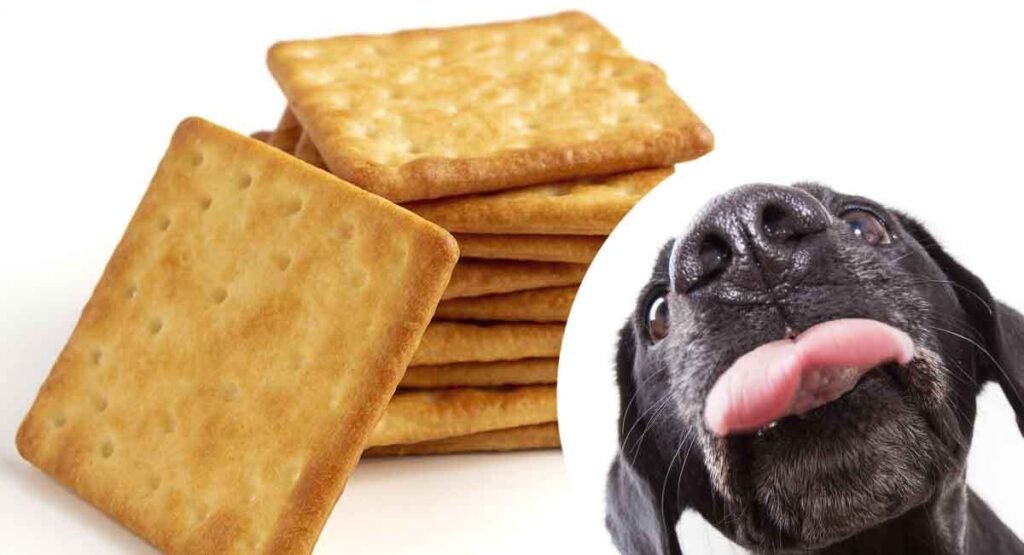
If your dog accidentally eats a Ritz cracker, don’t panic. One small cracker is unlikely to cause harm in a healthy adult dog.
That said, portion control is essential.
Why serving size matters:
- Ritz crackers are high in fat, which dogs don’t need in excess
- They contain more salt than dogs require
- Extra calories add up quickly, especially for small breeds
Veterinary nutrition guidelines agree that treats and human foods should make up no more than 10% of a dog’s daily calories. For many dogs, even one cracker uses up that allowance.
Bottom line: Ritz crackers should never become a habit.
Also Read: Can Dogs Eat Cream Of Mushroom Soup – Vet-Approved Guide!
Keeping Canines Away From Crackers
Prevention is always better than correction.
Dogs are curious, food-motivated, and incredibly good at finding snacks left unattended. To protect your dog:
- Store crackers in sealed containers or cabinets
- Keep food off coffee tables and couches
- Teach children not to share human snacks
- Avoid feeding from your hand during meals
Consistency matters. Dogs learn quickly, and mixed messages (“just this once”) can encourage begging and counter surfing.
Creating boundaries helps your dog stay healthy, confident, and safe.
Choosing Dog Treats That Resemble Crackers
If your dog loves crunchy snacks, there’s good news. You don’t need to rely on human food to satisfy that craving.
Many dog treats are designed to mimic the crunch of crackers while providing real nutrition.
Look for dog treats with:
- Whole grains or grain-free alternatives
- High-quality animal protein
- Low sodium
- No artificial flavors or preservatives
Dog-specific crunchy treats support dental health, digestion, and energy levels—without unnecessary risks.
Always read ingredient labels. Simpler is better.
Other Creative Ways to Treat Your Dog
Food is not the only way dogs feel loved.
Many dogs value attention and interaction more than snacks. If you want to spoil your dog in a healthy way, try:
- Extra walks or playtime
- Puzzle toys or scent games
- Belly rubs and brushing sessions
- Training games with praise instead of treats
You can also make homemade dog treats using dog-safe ingredients like oats, applesauce, peanut butter (xylitol-free), and pumpkin.
These options build trust, strengthen your bond, and avoid the risks of human snacks.
The Basics of Dog Nutrition
Understanding why Ritz crackers fall short starts with understanding what dogs truly need.
Protein Power
Protein is the foundation of a healthy canine diet. It supports:
- Muscle development
- Tissue repair
- Immune health
- Energy and strength
Dogs digest animal-based proteins best. Quality sources include chicken, beef, fish, and eggs. Crackers contain almost no usable protein for dogs.
Must Read: Can Dogs Eat Cactus? – Signs, Dangers, and Prevention!
Carbs and Canines
Dogs don’t require carbohydrates, but moderate, complex carbs can provide energy and digestive support.
Healthy carb sources include:
- Sweet potatoes
- Brown rice
- Oats
Refined white flour, like that used in crackers, offers little benefit and can contribute to weight gain.
Fats for Fido
Fats are essential, but quality matters.
Healthy fats:
- Support brain development
- Improve skin and coat health
- Help absorb vitamins
Ritz crackers contain processed fats that provide calories without benefits. Too much fat can increase the risk of pancreatitis and obesity.
Vitamin Vitality
Dogs need a careful balance of vitamins and minerals for:
- Bone strength
- Nerve function
- Healing and immunity
Commercial dog foods are formulated to meet these needs. Human snacks are not balanced for dogs and can disrupt nutritional harmony.
Water Wisdom
Hydration is just as important as food.
Water supports:
- Digestion
- Temperature regulation
- Joint lubrication
- Waste removal
Salty snacks like crackers can increase thirst and strain hydration balance. Fresh, clean water should always be available.
What Happens If Dogs Eat Ritz Crackers
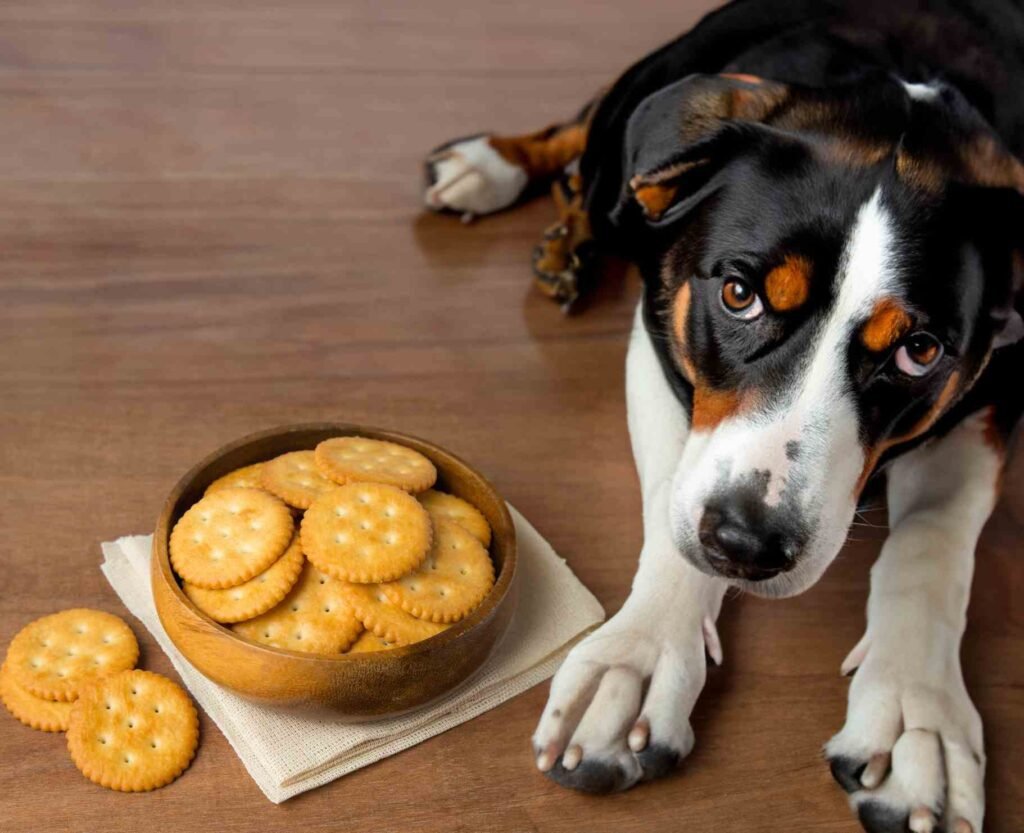
If a dog eats Ritz crackers, nothing serious usually happens right away. However, the salt and fat can upset their stomach. Eating them often may lead to weight gain, dehydration, or long-term health problems.
Can Dog Have Ritz Crackers? Here’s What You Need to Know First!
Can dog have Ritz crackers? As a dog owner, it’s totally normal to want to share your favorite snacks with your furry companion, but Ritz crackers are not the best choice for your pup. These crispy treats are packed with excess salt, unhealthy fats, and preservatives that can upset your dog’s stomach and cause serious health issues over time.
One or two crackers may not cause immediate harm, but making it a habit can lead to sodium toxicity, weight gain, and long-term damage. Instead of reaching for the Ritz box, treat your dog to something wholesome and made just for them — because they deserve the best!
Can Dogs Have Ritz Crackers — Or Is That a Crunchy Mistake?
Are Ritz crackers safe for dogs? Although feeding your dog one cracker isn’t likely to require a trip to the vet, these snacks contain high levels of salt, fat, and artificial additives that aren’t beneficial for canine health.
Frequent consumption may result in problems like sodium toxicity, weight gain, and digestive troubles. So when your pup looks at you with those adorable eyes during snack time, it’s wiser to choose a treat meant for dogs!
Can Cats Eat Ritz Crackers
Cats should not eat Ritz crackers. They offer no nutrition for cats and contain salt, fats, and carbs that are hard to digest. A small lick may be harmless, but regular eating can cause stomach upset.
Do Ritz Crackers Contain Xylitol
No, Ritz crackers do not contain xylitol. However, they still contain high salt, unhealthy fats, and processed ingredients that are not good for dogs. Even without xylitol, they should not be fed regularly.
What Human Food Can Dogs Eat
Dogs can eat some human foods safely, such as plain cooked chicken, rice, carrots, apples (no seeds), and peanut butter without xylitol. These foods should be plain, unseasoned, and given only in small amounts.
Can Dogs Eat Crackers For Upset Stomach
Crackers are not ideal for dogs with an upset stomach. Plain boiled chicken and rice are safer options. Crackers contain salt and fat, which may make stomach problems worse instead of helping your dog feel better.
Read Out: Can Dogs Eat Grapes? – Don’t Miss This Safety Guide!
Can Dogs Have Crackers
Dogs can have a very small piece of a plain cracker once in a while, but it is not recommended. Crackers are high in salt and carbs and do not provide the nutrients dogs need to stay healthy.
Conclusion
Ritz crackers may seem harmless, but they are not a healthy choice for dogs. While a small accidental bite is unlikely to cause immediate harm, the high salt, fat, and low nutrition make them unsuitable as treats. Dogs thrive best on balanced dog food and dog-safe snacks designed for their needs.
Choosing healthier alternatives, setting clear boundaries, and understanding proper nutrition helps protect your dog’s long-term health, happiness, and energy. When it comes to snacks, what you don’t give your dog can be just as important as what you do.
FAQ’s
What Crackers Are Okay For Dogs?
Plain, unsalted crackers made from whole grains, such as whole wheat, are generally safe for dogs in moderation.
Are Dogs Allowed Ritz Crackers?
Ritz crackers are not recommended for dogs due to their high salt and fat content, which can lead to health issues if consumed regularly.
What is the Healthiest Fruit For Dogs?
Apples (without seeds), blueberries, and bananas are some of the healthiest fruits for dogs, providing essential vitamins and antioxidants.
How Many Ritz Crackers Can a Dog Eat?
It’s best to avoid giving Ritz crackers to dogs, but if you do, limit it to just one and only on rare occasions due to their unhealthy ingredients.
What Crackers Can Dogs Eat?
Dogs can eat plain, unsalted crackers in tiny amounts, but dog treats are healthier and safer choices for most dogs.
Can Dogs Eat Crackers?
Yes, dogs can eat small amounts of plain crackers occasionally, but they should not replace balanced dog food ever regularly.
Can Ritz Crackers Cause Stomach Issues in Dogs?
Yes, Ritz crackers can cause stomach upset, vomiting, or diarrhea in dogs because of salt and fat content levels inside.
Can Dogs Eat Ritz Bits With Cheese?
No, dogs should not eat Ritz Bits with cheese because dairy, salt, and fat can upset digestion badly in dogs.
Should I Call a Vet If My Dog Ate Ritz?
Call a vet if your dog ate many Ritz crackers or shows vomiting, diarrhea, weakness, or unusual behavior afterward promptly.
What is The Number One Food You Should Never Feed Your Dog?
Chocolate is the number one food you should never feed dogs because it is toxic and can be fatal quickly.
What is The Healthiest Snack to Give a Dog?
The healthiest snacks for dogs include carrots, apples without seeds, plain chicken, blueberries, and vet-approved dog treats in small amounts.
What is The 90/10 Rule Dog?
The 90/10 rule means ninety percent dog food, ten percent treats, keeping your dog’s diet balanced healthy safe daily always.
What Are The Side Effects of Ritz Crackers?
Side effects of Ritz crackers in dogs include weight gain, thirst, stomach upset, vomiting, diarrhea, and long-term health risks developing.
Why Are There 7 Holes in a Ritz Cracker?
The seven holes help Ritz crackers bake evenly and stay flat, giving them their light, crispy texture during factory baking.
What Happens If My Dog Eats Ritz Crackers?
If your dog eats Ritz crackers, they may experience excessive thirst, bloating, or an upset stomach due to the high salt and fat content.
What Words Do Dogs Hear Best?
Dogs hear short, sharp, and distinct words best — which is why simple commands like “sit,” “stay,” and “come” work so effectively!