Can Cats Eat Garlic? – Signs of Toxicity and Prevention Tips
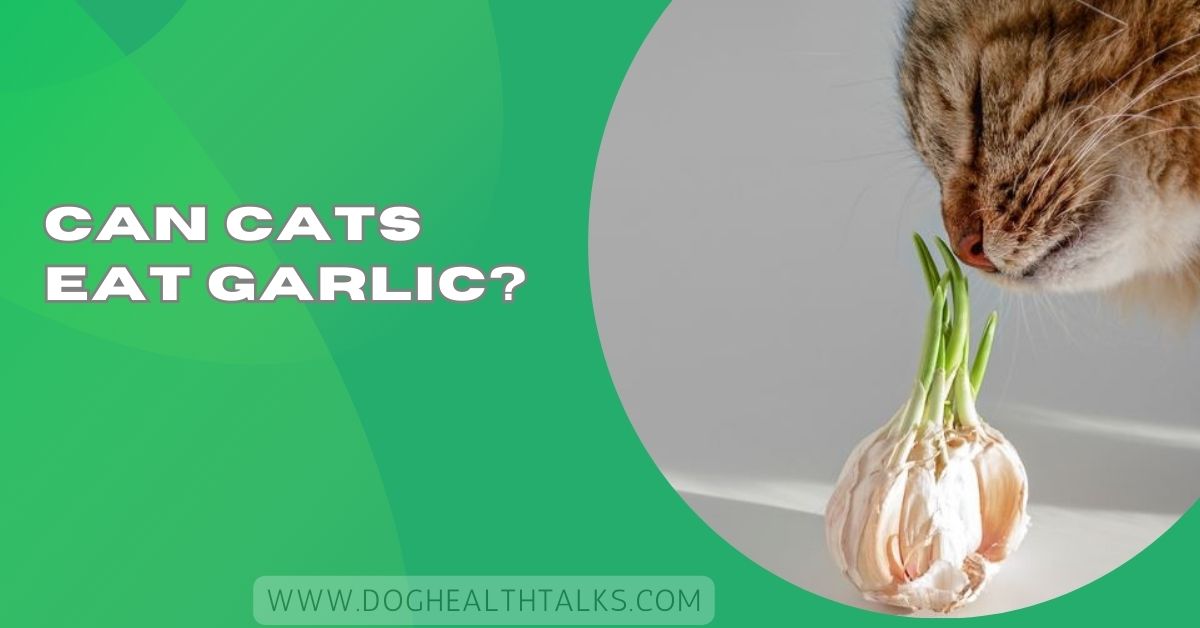
Garlic is a common food in many kitchens. It smells strong, adds flavor to meals, and is used in many dishes every day. Because cats are curious animals, they may sniff your food, lick a plate, or even eat a small bite by accident. This makes many cat owners ask an important question: can cats eat garlic?
The simple and honest answer is no. Cats should never eat garlic in any form. Garlic is toxic to cats and can cause serious health problems, even in small amounts. Some effects may not show right away, which makes garlic even more dangerous.
This guide explains everything you need to know about garlic and cats in clear, simple words, so you can keep your cat safe and healthy.
What Is Garlic?
Garlic is a plant that belongs to the allium family. This family also includes onions, chives, leeks, and shallots. Garlic is used fresh, cooked, dried, or powdered in many foods such as sauces, soups, meats, and snacks.
For humans, garlic can have health benefits. But cats are very different from people. Their bodies are not built to process many human foods, and garlic is one of the most harmful.
Is Garlic Safe for Cats?
No, garlic is not safe for cats.
Cats should not eat:
- Raw garlic
- Cooked garlic
- Garlic powder
- Garlic paste
- Garlic supplements
- Foods made with garlic
There is no safe amount of garlic for cats. Even a tiny piece or a small lick of garlic-flavored food can cause harm, especially if it happens more than once.
Why Is Garlic Toxic to Cats?
Garlic contains natural chemicals called thiosulfates. These chemicals are dangerous to cats. A cat’s body cannot break them down safely.
When a cat eats garlic, these chemicals:
- Damage red blood cells
- Reduce oxygen in the body
- Can lead to anemia
Anemia means the body does not have enough healthy red blood cells. This makes cats weak, tired, and very sick. Garlic is toxic to cats, and similarly, some human treats like [pistachio ice cream] may also upset your cat’s digestive system.
Cats are more sensitive to garlic than many other animals. Their smaller size and unique digestion make them more likely to suffer serious effects.
Also Read: Can Cats Eat Donuts? – Vet-Approved Facts Explained Simply!
How Much Garlic Is Dangerous for Cats?
There is no safe dose of garlic for cats.
Even small amounts can be harmful, such as:
- A tiny piece of garlic
- Garlic powder on meat
- Garlic in sauces or gravy
- Repeated small exposures over time
Garlic powder is especially dangerous because it is very concentrated. A little powder contains much more garlic than a small fresh piece.
Because symptoms may take time to appear, owners may not realize garlic caused the problem. Just like garlic, processed foods such as [graham crackers] are not suitable for cats due to added sugar and ingredients.
What Happens If a Cat Eats Garlic?
When a cat eats garlic, the damage does not always happen right away. Garlic slowly affects red blood cells over time.
Inside the body:
- Red blood cells become weak
- Cells break down faster than normal
- Oxygen supply drops
- Organs struggle to function
This slow damage is why garlic poisoning can be hard to spot early. A cat may seem fine at first, then become very sick days later.
Signs of Garlic Poisoning in Cats
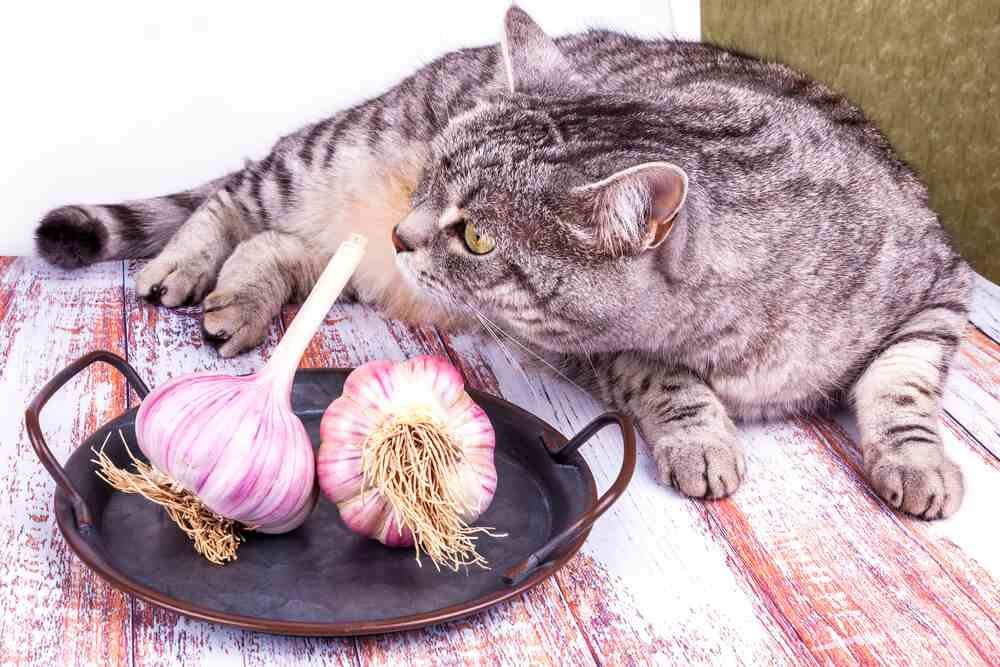
Symptoms can appear within hours or may take several days. Always take changes in behavior seriously.
Common signs include:
- Vomiting
- Diarrhea
- Drooling
- Loss of appetite
- Weakness or tiredness
- Pale gums
- Fast breathing
- Dark or red-colored urine
Severe cases may include:
- Trouble walking
- Collapse
- Difficulty breathing
If you notice any of these signs and suspect garlic exposure, act quickly.
How Long Does Garlic Poisoning Take to Show Symptoms?
Garlic poisoning does not always show right away.
- Mild stomach upset may appear within hours
- Blood damage may appear after one to five days
- Repeated small doses may cause slow, hidden illness
This delay is dangerous because owners may not connect the symptoms to garlic eaten earlier.
Must Read: Can Cats Eat Marmite?: Risks, Benefits, and Expert Advice!
What Should You Do If Your Cat Eats Garlic?
Garlic exposure should be treated as an emergency.
Steps to take:
- Remove access to the garlic or food immediately
- Call your veterinarian as soon as possible
- Follow professional advice carefully
Do not:
- Try home remedies
- Wait for symptoms to appear
- Give human medicine
Early care can prevent serious damage. Even if your cat seems fine, a vet visit is important.
Can Cats Eat Foods Cooked With Garlic?
No, cats should not eat foods cooked with garlic.
Foods to avoid include:
- Garlic bread
- Garlic butter
- Seasoned meats
- Soups and sauces
- Pizza toppings
- Leftovers with seasoning
Cooking does not remove garlic’s toxic effects. Even small traces left on food can be harmful.
Garlic Powder vs Fresh Garlic: Which Is Worse?
Both are dangerous, but garlic powder is often worse.
Why garlic powder is risky:
- Highly concentrated
- Easy to hide in food
- Stronger dose in small amounts
Many processed foods contain garlic powder, which makes accidental exposure more likely.
Other Foods Related to Garlic That Are Unsafe for Cats
Garlic is not the only dangerous food in the allium family.
Cats should also avoid:
- Onions
- Chives
- Leeks
- Shallots
These foods cause similar damage and should be kept far away from cats. Dairy products like [vanilla ice cream] can also cause issues in cats, especially those who are lactose intolerant.
Common Myths About Garlic for Cats
Myth: Garlic can prevent fleas
There is no proof this works. Garlic can harm cats long before it helps.
Myth: A small amount is safe
Even small amounts can cause damage, especially over time.
Myth: Cooked garlic is harmless
Cooking does not make garlic safe for cats.
Believing these myths can put a cat’s life at risk.
You Should Know: Can Cats Have Olive Oil? – How to Use It Safely at Home!
Safe Alternatives to Garlic for Cats
Cats do not need garlic in their diet. They thrive on simple, species-appropriate food.
Safe options include:
- High-quality cat food
- Plain cooked meat without seasoning
- Vet-approved treats
- Fresh water
Always check ingredients before offering new foods.
When to See a Vet Immediately
Seek urgent care if your cat:
- Ate garlic or garlic-seasoned food
- Shows signs of weakness or pale gums
- Vomits repeatedly
- Stops eating
- Acts unusually tired or quiet
Kittens, senior cats, and cats with health problems are at higher risk.
What To Do If Your Cat Eats Garlic
If your cat eats garlic, contact a veterinarian right away. Do not wait for symptoms. Garlic poisoning can be delayed. Early treatment helps prevent serious blood damage and improves recovery, even if your cat seems normal at first.
Can Cats Eat Garlic Bread?
No, cats should not eat garlic bread. It contains garlic, butter, and seasoning that can upset a cat’s stomach and damage red blood cells. Even a small bite can be harmful, so keep garlic bread away from cats.
Symptoms Of Garlic Poisoning In Cats
Garlic poisoning can cause vomiting, diarrhea, weakness, pale gums, loss of appetite, and fast breathing. Symptoms may appear hours or days later. Because signs are delayed, cats can become very sick before owners realize what happened.
Can Cats Eat Garlic Chicken
No, garlic chicken is unsafe for cats. It contains garlic, oils, and seasonings that are toxic. Even if the chicken looks plain, cooked garlic can still harm a cat’s blood cells and cause serious health problems.
Can Cats Eat Garlic Sauce
Cats should never eat garlic sauce. It is highly concentrated and often contains garlic powder, oils, and salt. These ingredients can quickly make cats sick and increase the risk of garlic poisoning, even in very small amounts.
Can Cats Eat Garlic Butter
No, garlic butter is dangerous for cats. It combines garlic toxicity with high fat from butter, which can cause stomach upset and stress the pancreas. A single lick can cause problems, especially for small or sensitive cats.
Can Cat Have Onion / Garlic / Ginger?
Cats should not eat onion or garlic at all because both are toxic. Ginger is not toxic but may upset a cat’s stomach. Only offer foods approved for cats, and avoid giving human spices or seasonings.
Is Garlic Bad for Cats?
Yes, garlic is very bad for cats. It damages red blood cells and can cause anemia. Cats cannot safely process garlic, and repeated small amounts can be just as dangerous as one large exposure.
Why Garlic Is More Toxic Than Onions
Garlic is more concentrated than onions and contains stronger toxic compounds. This means smaller amounts can cause more damage to a cat’s red blood cells, making garlic especially dangerous even when eaten in tiny quantities.
FAQs
Can cats have garlic powder?
No, garlic powder is very dangerous for cats. It is concentrated and can cause serious poisoning even in tiny amounts.
Do cats like garlic?
Most cats dislike garlic’s strong smell. Even if curious, garlic should never be offered or allowed.
What if my cat ate garlic but is acting fine?
Call a veterinarian anyway. Garlic poisoning can be delayed, and damage may start before symptoms appear.
Is garlic OK for cats?
No, garlic is not safe for cats. It damages red blood cells and can cause anemia.
Is garlic good for cats?
No, garlic has no benefits for cats and can seriously harm their health.
Are cats allergic to garlic?
It’s not an allergy. Garlic is toxic to cats and causes chemical damage inside the body.
What happens if my cat eats a little garlic?
Even small amounts can slowly damage blood cells and lead to weakness or illness later.
What is the most toxic thing a cat can eat?
Foods like lilies, garlic, onions, chocolate, and certain medicines are extremely dangerous for cats.
How much garlic is toxic to pets?
There is no safe amount. Even small or repeated doses of garlic can be harmful.
Is chives as toxic to cats as garlic?
Yes, chives are also toxic to cats and can cause similar blood damage and illness.
Conclusion
Garlic is not safe for cats in any form. Even a small amount can damage red blood cells and cause serious illness over time. Because symptoms may appear late, garlic exposure is especially dangerous. The safest choice is to keep garlic and garlic-seasoned foods completely away from your cat. When in doubt, always choose caution and contact a veterinarian to protect your cat’s health and well-being.