
Can Cats Eat Oreos? – Risks, Facts, and Safer Treats!
Many cat owners wonder, Can Cats Eat Oreos? While it might seem harmless to share a sweet treat, Oreos contain sugar, chocolate, and other ingredients that are not safe for cats.
Oreos are a favorite snack for many people, so it’s natural to wonder what happens when your curious cat shows interest in them. Maybe your cat sniffed an Oreo, licked a crumb, or even tried to steal a bite.
Cats should not eat Oreos. A tiny lick or small piece is unlikely to cause harm, but Oreos contain chocolate, sugar, and fat that can upset cats and may be dangerous. Avoid feeding them.
This guide explains everything in simple terms, so you can protect your cat’s health without stress or guesswork.
Oreo Nutrition Facts
Oreos are made for people, not pets. Looking at what’s inside explains why they don’t belong in a cat’s bowl.
A standard serving (about three cookies) contains:
- Calories: ~160
- Total fat: ~7 g
- Carbohydrates: ~25 g
- Sugar: High
- Protein: Very low
- Cocoa/chocolate: Present (small amount per cookie)
For cats—who are obligate carnivores—this nutrition profile offers no benefits. Cats need animal protein and specific amino acids, not sugar and refined carbs.
All the Reasons Your Cat Can’t Eat Oreos
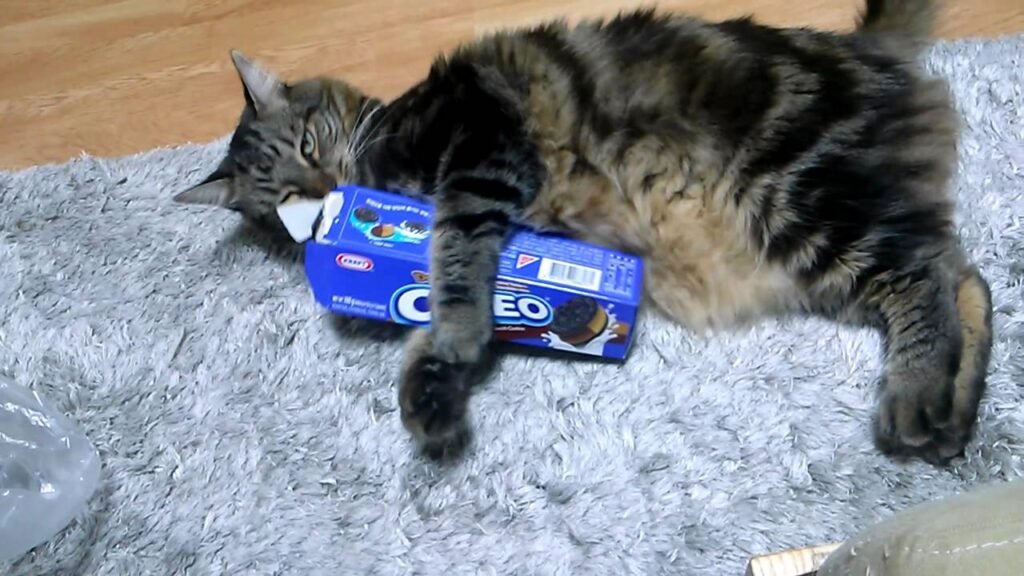
Cats are curious, and the smell of human snacks can tempt them. Still, Oreos pose multiple problems for feline health.
Oreos Are Full of Empty Calories
“Empty calories” means calories without useful nutrition. Oreos deliver energy without vitamins, minerals, or proteins cats need. Regular exposure to empty calories can:
- Encourage weight gain
- Reduce appetite for proper food
- Stress a cat’s digestive system
Even small amounts add up over time—especially for indoor cats with lower activity levels.
Also Read: Can Cats Eat Marshmallows? – Hidden Risks You Need to Know!
Chocolate Toxicity for Cats
Oreos contain cocoa powder. Cocoa has theobromine and caffeine, compounds cats cannot safely process.
Possible effects include:
- Vomiting or diarrhea
- Restlessness and rapid heart rate
- Tremors or weakness
- Increased urination
While one bite is unlikely to be fatal, there is no safe dose of chocolate for cats. Avoidance is the best protection.
Upsides to Cats Eating Oreos
There are no real upsides.
Oreos provide:
- No nutrition cats need
- No dental benefits
- No enrichment value
At best, a crumb does nothing. At worst, it causes stomach upset or worse. When it comes to Oreos, the safest choice is a clear “no.”
Do Cats Like Oreos?
Most cats don’t truly like Oreos. What looks like interest is often simple curiosity.
Cats Can’t Taste Sweetness
Cats lack the taste receptors for sweetness. Sugar doesn’t appeal to them the way it does to people. If a cat sniffs or nibbles an Oreo, it’s usually:
- Investigating a new smell
- Reacting to fat or texture
- Copying your behavior
Once tasted, many cats lose interest quickly.
Alternative Snacks
If you want to share a moment with your cat, choose safer options that respect feline biology.
Good alternatives include:
- Plain cooked chicken or turkey (no salt or seasoning)
- Boiled or baked fish (boneless)
- Plain eggs (fully cooked)
- Commercial cat treats formulated for cats
Treats should make up no more than 10% of daily calories. Moderation keeps treats joyful—not risky.
Why Are Oreos Dangerous for Cats?
Oreos combine several risk factors into one cookie.
- Cocoa compounds (theobromine and caffeine) stress the nervous and cardiovascular systems.
- High sugar can trigger digestive upset and contribute to obesity.
- High fat may aggravate pancreatitis-prone cats.
- Artificial ingredients offer no benefit and can irritate sensitive stomachs.
Each risk alone is avoidable. Together, they make Oreos a clear no-go.
What Should I Do If My Cat Eats Oreos?
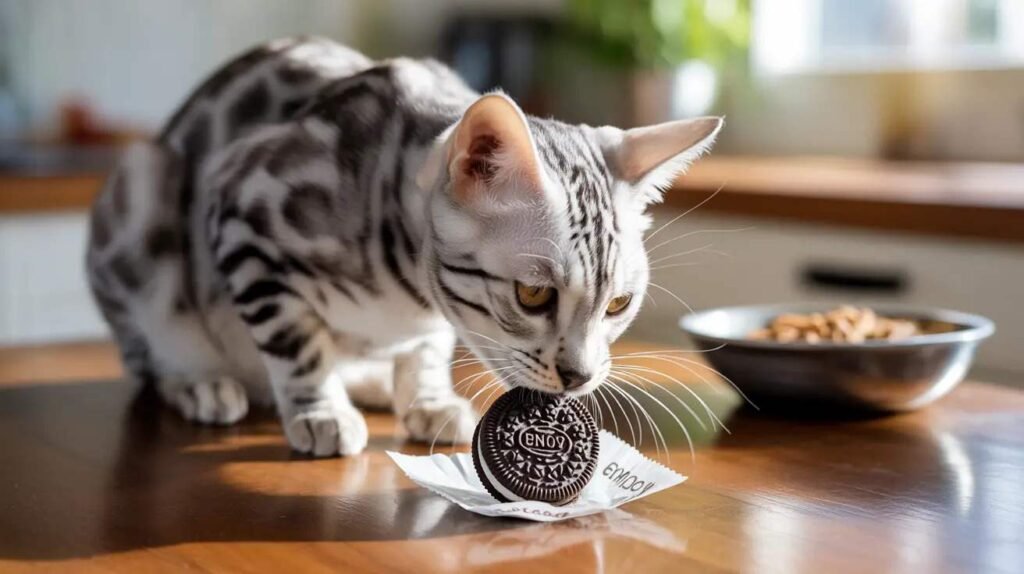
Stay calm and assess the situation.
- One lick or crumb: Monitor at home. Watch for vomiting, diarrhea, restlessness, or frequent urination.
- Several bites or a whole cookie: Call your veterinarian for advice.
- Any severe signs (tremors, weakness, seizures): Seek veterinary care immediately.
When in doubt, it’s always okay to call a professional for guidance. Early advice prevents complications and builds peace of mind.
Must Read: Can Dogs Eat Tomatoes – Benefits, Risks, and Feeding Tips!
What Are Safe Treats for Cats?
Cats thrive on simple, species-appropriate foods.
Safe treat ideas:
- Lean meats (chicken, turkey, beef) cooked plainly
- Small portions of canned fish (in water, not oil)
- Freeze-dried meat treats made for cats
- High-quality commercial cat treats
Avoid foods with chocolate, onions, garlic, sugar, or artificial sweeteners. Keep treats small and occasional.
Can Cats Eat Oreo Cookies
Cats should not eat Oreo cookies. Oreos contain chocolate, sugar, and fat, which are not safe for cats. A tiny crumb may not cause harm, but regular or intentional feeding can upset their stomach and lead to health problems.
Can Cats Eat Golden Oreos
Golden Oreos do not contain chocolate, but they are still unsafe for cats. They are high in sugar, fat, and artificial ingredients. These can cause stomach upset, weight gain, and digestive issues, so they should be avoided.
Can Oreos Kill Cats
One Oreo is very unlikely to kill a cat, but Oreos are still dangerous. Chocolate contains harmful compounds, and too much can cause serious illness. Repeated exposure or larger amounts increase the risk, so Oreos should never be given.
Can Dogs Eat Oreos
Dogs should not eat Oreos either. Oreos contain chocolate, sugar, and fat, which are harmful to dogs. Even small amounts can cause stomach upset, and larger amounts may lead to serious chocolate toxicity. Keep Oreos away from dogs.
Can Cats Eat Ice Cream
Cats should not eat ice cream. Most cats are lactose intolerant, so dairy can cause diarrhea and vomiting. Ice cream is also high in sugar and fat, offering no health benefits and making it a poor choice for cats.
Cat Ate Oreo Crumbs
If your cat ate a few Oreo crumbs, don’t panic. Small crumbs usually cause no serious harm. Watch for vomiting, diarrhea, or unusual behavior. If symptoms appear or your cat ate more, contact your veterinarian for advice.
Can Cats Eat Chocolate
Cats should never eat chocolate. Chocolate contains theobromine and caffeine, which are toxic to cats. Even small amounts can cause vomiting, restlessness, tremors, or worse. Always keep chocolate and chocolate products out of reach.
Conclusion
In conclusion, cats should not eat Oreos, as these cookies can cause digestive issues and even be toxic due to chocolate and sugar content. Stick to cat-safe treats for your furry friend.
Oreos may look harmless and tempting, but they are not a safe food for cats. While a tiny lick or a few crumbs usually won’t cause serious harm, Oreos contain chocolate, sugar, and fat that offer no benefits and can upset your cat’s health.
The safest choice is to keep Oreos out of reach and choose treats made for cats instead. By offering simple, cat-friendly foods, you protect your pet’s well-being and enjoy peace of mind knowing you’re making the healthiest choice for your furry companion.
FAQs
Are Oreos Okay For Cats?
No, Oreos are not okay for cats. They contain chocolate, sugar, and fat that can upset a cat’s stomach and may be harmful.
Is it Okay For Cats to Eat Cookies?
Cookies are not okay for cats. They are made for humans and contain sugar, fat, and ingredients that cats do not need or tolerate well.
Do Oreos have actual chocolate?
Yes, Oreos contain cocoa powder, which is a form of chocolate. Even small amounts of chocolate are unsafe for cats.
Is it okay if cats eat a little bit of chocolate?
No, cats should not eat chocolate at all. Even a small amount can cause stomach upset and other health problems.
Can animals eat Oreos?
Oreos are not safe for animals. Pets like cats and dogs can get sick from chocolate, sugar, and fat found in Oreos.
Is a Little Sugar ok for cats?
Cats do not need sugar. A tiny amount is not toxic, but sugar can cause stomach upset and weight problems over time.
What Happens if My Cat Eats one chip?
If your cat eats one small chip, they will likely be okay. Watch for vomiting or diarrhea and call a vet if symptoms appear.
Is a Little Bit Of Ice Cream Ok for Cats?
Most cats should not eat ice cream. Dairy can cause diarrhea, and the sugar and fat offer no health benefits.
Cat Licked The Top of an Oreo. Will he be okay?
Yes, a quick lick is usually not harmful. Just keep Oreos away and watch your cat for any unusual behavior.