

Blue Cane Corso – History, Color, Size, and Temperament!
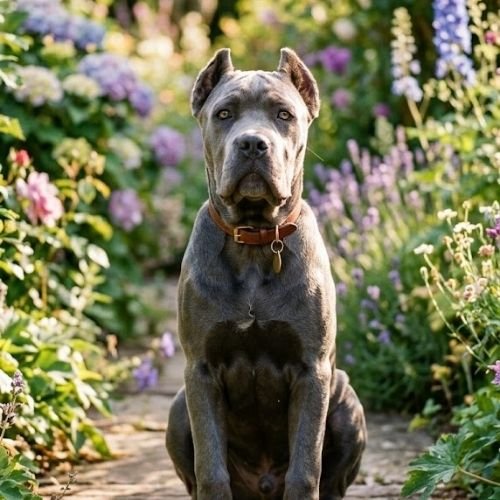
The Blue Cane Corso is a rare-looking, powerful guardian dog known for its loyalty, strength, and deep family bond. Despite the name, this stunning dog is actually gray. Bred for protection, the Blue Cane Corso is both noble and fearless.
The Earliest Records of the Blue Cane Corso Breed in History
The story of the Blue Cane Corso begins in ancient Italy, with roots that trace back over 2,000 years. This majestic breed descends from the Molossus dogs of ancient Greece—massive, powerful dogs used in warfare and guarding. When the Roman Empire expanded into Greek territories, these dogs were brought to Italy and carefully bred for strength, loyalty, and battlefield courage.
Over generations, the Molossus dogs were crossed with native Italian breeds, gradually shaping what we now recognize as the Cane Corso and its close cousin, the Neapolitan Mastiff. These dogs became trusted Roman war dogs, guardians of estates, livestock protectors, and elite hunters of large game like wild boar.
After the fall of the Roman Empire, the breed remained essential to rural Italian life. Farmers relied on Cane Corsos to guard livestock, protect homes, and assist in dangerous hunting. However, shifting farming practices, industrialization, and multiple wars nearly erased the breed from existence.
The Blue Cane Corso color existed naturally through genetics but was not selectively promoted until modern breeding programs recognized its rare beauty.
How the Blue Cane Corso Gained Popularity

By the mid-1900s, the Cane Corso was close to extinction. Only a handful of dogs remained scattered across rural Italy. Thankfully, a small group of passionate breeders refused to let the breed disappear. In the 1970s, organized recovery efforts began, focused on preserving the original temperament, structure, and working ability.
Selective breeding programs slowly rebuilt stable bloodlines. By the 1980s, international interest grew as enthusiasts discovered the breed’s unmatched loyalty and guardian instincts. When Cane Corsos arrived in the United States in 1988, demand surged.
The Blue Cane Corso, with its striking gray coat and amber eyes, quickly became one of the most sought-after variations. Social media, movies, celebrity ownership, and protection work further boosted visibility.
Today, the Cane Corso consistently ranks among the top 25 most popular dog breeds, admired for its unmatched presence, confidence, and deep emotional connection with its family.
Formal Recognition of the Blue Cane Corso
Official recognition was hard-earned due to the breed’s near extinction. However, thanks to dedicated preservation efforts, the Cane Corso achieved global recognition:
- 1983 – First breed society formed in Italy
- 1994 – Official recognition by the Italian Kennel Club (ENCI)
- 1996 – Provisional recognition by Fédération Cynologique Internationale (FCI)
- 2007 – Full international recognition granted
- 2008 – United Kennel Club (UKC) recognition
- 2010 – American Kennel Club (AKC) recognition
Today, the Blue (gray) Cane Corso is recognized as a standard and accepted color under all major canine organizations.
Top 10 Unique Facts About the Cane Corso
1. “Blue” Cane Corsos Produce the Same Color as Black Cane Corsos
Even though they look blue, these dogs are really gray. Their color comes from a gene that lightens black fur. So a blue Cane Corso is simply a faded black one.
2. Their Eye Color Varies
Cane Corso puppies are born with blue eyes. As they grow, the eyes slowly change to brown, gold, or amber. Many blue Cane Corsos keep very bright and eye-catching shades.
3. Most People Pronounce the Name Wrong
Many people say “Kane Corso,” but the correct way is “Kah-nay Kor-so.” It comes from the Italian language. Saying it right shows respect for the breed’s history.
4. The Cane Corso Needs a Firm Leader
This breed is very smart and strong-willed. They need an owner who is calm, confident, and consistent. With clear rules and gentle training, they become loyal and well-behaved companions.
5. Cane Corso Has Seven Recognized Breed Colors
The Cane Corso comes in seven official colors, including black, gray, fawn, red, and different brindle shades. Each color is beautiful and accepted by major kennel clubs worldwide.
6. Their Name Translates to “Bodyguard Dog”
The name Cane Corso comes from a Latin word meaning “guardian dog.” This fits them perfectly because they were bred to protect homes, farms, and families with courage and loyalty.
7. Cane Corsos Aren’t Couch Potatoes
These dogs are active and strong. They need daily walks, playtime, and mental exercise. While they enjoy resting at home, they are much happier when they stay busy and challenged.
8. Several Big Name Celebrities Have Cane Corsos
Many famous people own Cane Corsos, including movie stars and athletes. They love the breed for its loyalty, power, and strong bond with family, which has made the dog even more popular.
9. They Are Considered One of the Most Formidable Dog Breeds
The Cane Corso is large, muscular, and fearless. Their confident look alone can stop trouble before it starts. With proper training, they are calm protectors who only act when truly needed.
10. There’s a Plural Term for Cane Corso
One dog is called a Cane Corso. If you have more than one, they are called Cani Corsi. This is the proper Italian plural form used by breeders and dog lovers.
Does the Blue Cane Corso Make a Good Pet?

Yes—for the right owner, the Blue Cane Corso can be an extraordinary companion.
This breed is:
- Deeply loyal
- Highly protective
- Emotionally bonded
- Naturally watchful
- Brave without being reckless
With proper early socialization, the Blue Cane Corso thrives in family environments. They are affectionate with their owners, patient with older children, and extremely devoted. Many owners describe them as “gentle giants” inside the home and fearless guardians outside.
However, this is not a beginner dog. Due to its strength and intelligence, an owner must provide:
- Consistent training
- Boundaries and structure
- Daily physical and mental stimulation
- Leadership without harsh discipline
Health & Care Overview
- Life expectancy: 9–12 years
- Shedding: Moderate year-round
- Drooling: Common with heavy jowls
- Common health risks:
- Hip & elbow dysplasia
- Eyelid disorders
- Idiopathic epilepsy
Buying from a reputable, health-tested breeder is essential for long-term success and well-being.
Blue Cane Corso Puppy
Blue Cane Corso puppies are gray, not true blue, with soft coats and big bright eyes. They grow fast and need early training and social time.
With gentle guidance, they become confident, loyal, and loving dogs that bond deeply with their family from a young.
Cane Corso bleu
Cane Corso colors include black, gray, fawn, red, and several brindle shades. Some have black or gray masks on their face.
All colors are accepted by major kennel clubs, and each one shows the breed’s strong build and noble look with rich natural coat shine.
Black Cane Corso
The Black Cane Corso has a bold, powerful look with a shiny dark coat. This color makes the breed look even more strong and serious.
Black Cane Corsos are loyal, protective, and loving with their family when trained the right way from an early age.
Full Grown Blue Cane Corso
A fully grown blue Cane Corso is an awe-inspiring sight. These dogs are not only large but also possess a robust, muscular build that showcases their strength and athleticism. Males typically weigh over 100 pounds, making them one of the more imposing breeds.
Despite their impressive physicality, Cane Corsos are known for their calm demeanor at home. They thrive in a family environment, providing comfort and companionship to their loved ones.
Their loyalty is unmatched; they form deep bonds with their families and go to great lengths to protect them. When trained properly and socialized from a young age, Cane Corsos exhibit a natural instinct to guard without being overly aggressive.
These dogs are intelligent and eager to please, making them relatively easy to train with consistent guidance. With the right socialization, they can be friendly and good-natured with strangers, striking a balance between protector and family pet.
Blue Cane Corso for Sale Season
Blue Cane Corsos are powerful, elegant, and fiercely loyal dogs that make extraordinary companions. They are perfect for families seeking both love and protection in a pet.
With sale season summer approaching, it’s the ideal moment to bring home one of these majestic puppies and start a journey full of loyalty and joy.
Blue Brindle Cane Corso
A blue brindle Cane Corso has a gray base coat with dark striped patterns running across the body. This color looks bold and unique.
Their temperament is the same as other Corsos—loyal, confident, protective, and very devoted to their owners in daily life and training.
Before bringing home a Blue Cane Corso puppy, it’s important to be aware of common health concerns like parvo in dogs and ensure proper vaccinations for a healthy start.
Formentino Cane Corso
The Formentino Cane Corso has a pale cream or light fawn coat with a soft gray mask. It looks lighter than other colors but is just as strong. This color is rare and highly admired for its clean, elegant appearance among breeders, owners, and fans.
FAQs About the Blue Cane Corso
Is the Blue Cane Corso rare?
The color comes from a recessive dilution gene. It is uncommon but not extremely rare due to selective breeding.
Is a Blue Cane Corso aggressive?
No. When trained correctly, they are calm, stable, and confident—not aggressive. Poor training causes behavior issues, not genetics.
How big does a Blue Cane Corso get?
Males: 100–120 lbs
Females: 85–105 lbs
Is the Blue Cane Corso good for families?
Yes, especially with older children and experienced dog owners.
Does the Blue Cane Corso need a lot of exercise?
Yes. Daily walks, training, and mental challenges are essential.
How much does a Blue Cane Corso cost?
From reputable breeders, prices often range from $2,000 to $5,000+ depending on bloodlines and health testing.
Conclusion
The Blue Cane Corso is not just a dog—it is a powerful guardian, a fearless protector, and a deeply loyal companion. With ancient roots, modern beauty, and unmatched devotion, this breed stands as one of the most impressive canine guardians in the world today.
For owners willing to commit to leadership, training, and responsibility, the Blue Cane Corso offers unshakable loyalty, heart-deep protection, and lifelong partnership. It is strength with soul, courage with kindness, and power with purpose.